Transforming Real Estate with Generative AI
The real estate industry is undergoing a technological revolution, and at the heart of this transformation lies Generative Artificial Intelligence (Generative AI). It’s changing the way properties are bought, sold, and evaluated. In this article, we’ll explore how Generative AI is reshaping the real estate landscape, providing a glimpse into the future of property transactions and valuation.
The Rise of Generative AI in Real Estate
Generative AI is a subset of artificial intelligence that focuses on generating data, images, text, or other content. In real estate, this technology is being leveraged to enhance various aspects of the industry, making it more efficient, accurate, and user-friendly.
1. Streamlining Property Searches
One of the most significant impacts of Generative AI in real estate is streamlining property searches. Traditional methods of browsing property listings have often been time-consuming and frustrating for both buyers and sellers. Generative AI is changing this by developing intelligent algorithms that can match properties with the preferences and requirements of potential buyers.
For instance, when a buyer expresses interest in a three-bedroom house with a large backyard and proximity to good schools, Generative AI can quickly sift through vast databases of listings to present a curated selection. It’s akin to having a personalized real estate agent who understands your needs perfectly.
2. Enhancing Property Valuation and Pricing
Another area where Generative AI is making waves is property valuation and pricing. Accurate property valuation is crucial for both buyers and sellers. Generative AI algorithms analyze historical sales data, current market conditions, and various property features to arrive at precise valuations.
This is particularly valuable for sellers who want to list their properties at the right price and buyers who want assurance that they’re making a fair investment. It minimizes the chances of overpricing or underpricing, creating a more transparent and reliable market.
3. Virtual Property Tours
Generative AI also plays a pivotal role in creating virtual property tours. Virtual reality (VR) and augmented reality (AR) technologies are becoming increasingly integrated into the real estate sector. Generative AI can generate immersive 3D tours of properties, allowing potential buyers to explore every nook and cranny without setting foot in the actual space. This has been especially valuable during times of social distancing and lockdowns, as buyers can make informed decisions without physically visiting properties.

Case Studies
To illustrate the real-world impact of Generative AI in real estate, let’s delve into a few case studies:
Case Study 1: Zillow’s Zestimate
Zillow, a popular online real estate marketplace, employs Generative AI to develop its “Zestimate” feature. Zestimate is an automated home valuation tool that uses machine learning to predict property values. While it’s not without controversies and inaccuracies, it demonstrates the potential of AI in property valuation.
Case Study 2: Compass’s AI-Powered Recommendations
Compass, a real estate technology company, uses AI to provide personalized recommendations to its users. The platform utilizes Generative AI to match buyers with properties that fit their preferences. This has not only improved the user experience but also increased the likelihood of successful property transactions.
Challenges and Considerations
Despite its transformative potential, Generative AI in real estate is not without its challenges. Data privacy and security concerns are significant issues, as the technology relies on vast amounts of personal and property data. Additionally, there are concerns about AI exacerbating biases in real estate, such as discriminatory pricing or property recommendations. Regulatory frameworks are evolving to address these issues, but it’s an ongoing process.
The Future of Real Estate with Generative AI
The future of real estate with Generative AI is bright. As AI algorithms become more refined and data collection methods improve, we can expect even more accurate property valuations, better property matches, and enhanced user experiences. Virtual reality and augmented reality technologies will likely become integral to property listings, making it possible for buyers to tour homes from the comfort of their own spaces.
Generative AI in real estate is part of a broader shift toward a more data-driven and user-centric industry. It empowers buyers and sellers with the information and tools they need to make informed decisions. However, it also raises important ethical and regulatory questions that the real estate industry and policymakers must address as this technology continues to evolve.
Conclusion
Generative AI is changing the way we interact with the real estate market. It’s simplifying property searches, improving property valuation accuracy, and enabling immersive virtual property tours. While there are challenges to overcome, the potential benefits are significant, making Generative AI a driving force in the future of real estate. As the industry continues to adapt and integrate these technologies, we can expect a more efficient, transparent, and user-friendly real estate market.
Manufacturing Innovations: GenAI and the Factory of the Future
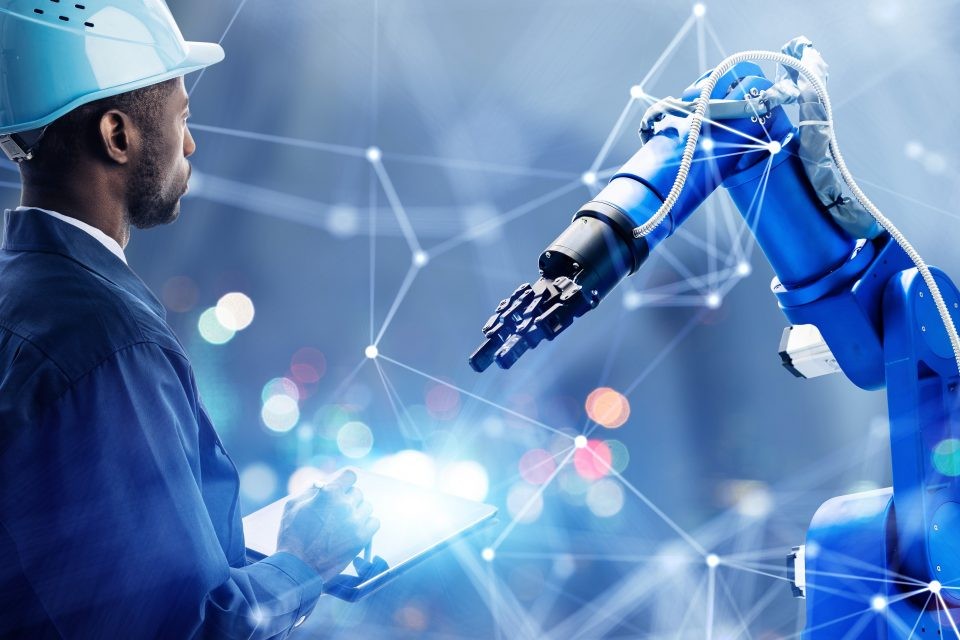
The manufacturing industry is at the cusp of a significant transformation, with Generative Artificial Intelligence (GenAI) playing a pivotal role in reshaping the factory of the future. GenAI combines the power of artificial intelligence with generative capabilities to optimize manufacturing processes, streamline production, and improve overall efficiency. In this article, we’ll explore how GenAI is revolutionizing manufacturing, providing insights into how it’s poised to impact industries worldwide.
The Emergence of GenAI in Manufacturing
Generative AI, or GenAI, represents a breakthrough in manufacturing by enabling machines to generate new designs, solutions, and improvements autonomously. It harnesses the power of machine learning, data analytics, and automation to create a synergy between technology and human expertise.
1. Design and Prototyping
One of the most significant applications of GenAI in manufacturing is in design and prototyping. Traditional design processes often involve repetitive iterations and adjustments, which can be time-consuming and costly. GenAI accelerates this process by using generative algorithms to explore numerous design options based on predefined criteria. This results in the rapid creation of innovative prototypes, reducing both design time and costs.
2. Predictive Maintenance
Manufacturing facilities rely heavily on complex machinery and equipment. Downtime due to equipment failures can be expensive and disruptive. GenAI comes to the rescue with predictive maintenance capabilities. By analyzing historical performance data and real-time sensor information, GenAI can predict when equipment is likely to fail, allowing for preventive maintenance. This not only minimizes downtime but also extends the lifespan of machines.
3. Quality Control and Defect Detection
Quality control is paramount in manufacturing, and GenAI can significantly enhance this aspect. Machine learning algorithms can be trained to identify defects, inconsistencies, and quality issues in real-time. This ensures that only products meeting the highest standards make it to market, reducing waste and improving customer satisfaction.
Case Studies
Let’s examine a couple of case studies to better understand how GenAI is making waves in the manufacturing industry:
Case Study 1: General Electric’s Brilliant Factory
General Electric (GE) has embraced GenAI to create its “Brilliant Factory” concept. Through the use of AI and machine learning, GE’s Brilliant Factory optimizes production processes, improves product quality, and reduces operational costs. The system is capable of identifying potential issues, such as equipment failures or bottlenecks, before they occur, enabling proactive solutions.
Case Study 2: Volkswagen’s Use of GenAI for Vehicle Design
Volkswagen has implemented GenAI to streamline vehicle design processes. By generating and evaluating thousands of design variations, GenAI helps Volkswagen’s engineers identify the most efficient and aesthetically pleasing designs. This has led to significant reductions in both development time and costs.
Challenges and Considerations
While GenAI offers tremendous benefits to the manufacturing sector, there are challenges to consider:
1. Data Security and Privacy
The use of sensitive production and design data in GenAI applications raises concerns about data security and privacy. Protecting this data from cyber threats and unauthorized access is a top priority.
2. Workforce Adaptation
As automation and AI technologies like GenAI become more prevalent in manufacturing, the workforce must adapt to these changes. This may require training and upskilling to work alongside AI systems effectively.
3. Ethical Considerations
The ethical use of AI and GenAI in manufacturing, including decisions about product design and quality, is an important consideration. Ensuring that AI aligns with ethical standards is essential to maintain public trust.
The Future of Manufacturing with GenAI
The future of manufacturing with GenAI holds immense promise. As GenAI systems become more sophisticated, we can expect to see:
1. Customization at Scale
GenAI will enable manufacturing facilities to produce customized products at scale. By creating tailored designs and production processes for individual customers, manufacturers can cater to a more diverse market.
2. Energy Efficiency
AI-driven optimization can reduce energy consumption in manufacturing processes, contributing to sustainability and cost reduction.
3. Supply Chain Optimization
GenAI will play a significant role in optimizing supply chains by predicting demand, reducing waste, and enhancing logistics management.
4. Product Innovation
GenAI can inspire new levels of product innovation by proposing unique designs, materials, and features that may not have been explored through traditional methods.
Conclusion
Generative Artificial Intelligence (GenAI) is changing the face of manufacturing by introducing innovation, efficiency, and cost reduction. It offers remarkable benefits in design, predictive maintenance, and quality control. With careful attention to data security, workforce adaptation, and ethical considerations, GenAI has the potential to create a new era in manufacturing, bringing us closer to the vision of the factory of the future. As AI continues to evolve, manufacturers worldwide must adapt and harness its capabilities to stay competitive and meet the demands of the ever-evolving market.
Generative AI’s Role in Revolutionizing the Supply Chain
The global supply chain is a complex and interconnected web of manufacturers, suppliers, logistics providers, and retailers. In recent years, the integration of Generative Artificial Intelligence (Generative AI) has emerged as a game-changer, offering innovative solutions to long-standing supply chain challenges. In this article, we will explore how Generative AI is reshaping supply chain management and logistics, driving efficiencies, reducing costs, and enhancing customer satisfaction.
The Growing Significance of Generative AI in Supply Chain
Generative AI is revolutionizing the supply chain by leveraging advanced machine learning techniques to analyze and optimize various aspects of the end-to-end process. It offers the potential for real-time insights, automation, and data-driven decision-making, making supply chain operations more responsive and efficient.
1. Demand Forecasting and Inventory Management
One of the most critical functions in the supply chain is forecasting demand and managing inventory. Generative AI is making this process significantly more accurate and adaptive. By analyzing historical data, market trends, and external factors such as weather or economic conditions, Generative AI can provide forecasts that are not only more precise but also updated in real-time. This enables businesses to better align their production and inventory levels with market demands, ultimately reducing costs and minimizing overstock or stockouts.
2. Enhanced Route Optimization
Transportation costs are a significant expense in the supply chain. Generative AI offers sophisticated route optimization solutions that factor in multiple variables, including road conditions, traffic, fuel costs, and vehicle capacities. This results in more efficient route planning, reduced fuel consumption, and improved delivery timelines.
3. Inventory Allocation and Allocation Planning
For businesses operating multiple distribution centers or retail locations, efficiently allocating inventory is crucial. Generative AI can optimize this allocation process by considering various factors like sales trends, customer demand, and geographic locations. This ensures that products are available where and when they are needed most, enhancing customer satisfaction and minimizing carrying costs.

Case Studies
To better illustrate the practical application of Generative AI in supply chain management, let’s look at some case studies:
Case Study 1: Amazon’s Dynamic Pricing and Inventory Management
Amazon, a pioneer in the e-commerce industry, uses Generative AI to dynamically adjust product prices based on demand and availability. By analyzing a vast amount of data in real-time, Amazon ensures that products are priced competitively and inventory levels are optimized, resulting in improved customer satisfaction and increased revenue.
Case Study 2: UPS’s Package Delivery Optimization
United Parcel Service (UPS) leverages Generative AI to optimize package delivery routes. The company’s “ORION” (On-Road Integrated Optimization and Navigation) system uses AI algorithms to calculate the most efficient routes for UPS drivers. This has led to substantial fuel savings, reduced emissions, and quicker deliveries.
Challenges and Considerations
While Generative AI offers tremendous potential in supply chain management, there are several challenges to address:
1. Data Quality and Integration
Effective Generative AI applications rely on the quality and integration of data from multiple sources. Ensuring data accuracy and compatibility can be a daunting task, and supply chain stakeholders must invest in robust data management processes.
2. Change Management
Integrating Generative AI into established supply chain processes may require organizational and workforce adjustments. Change management strategies are essential to ensure a smooth transition and adoption of new technologies.
3. Ethical and Regulatory Concerns
As AI applications become more prominent in the supply chain, ethical considerations regarding data privacy and fairness must be addressed. Adherence to regulations and guidelines is vital to maintaining trust.
The Future of Supply Chain with Generative AI
The future of the supply chain with Generative AI holds exciting possibilities:
1. Supply Chain Resilience
Generative AI will help supply chains become more resilient by identifying vulnerabilities and enabling rapid adjustments in response to unforeseen disruptions such as natural disasters or pandemics.
2. Sustainability and Eco-Friendly Practices
AI-driven optimization can lead to reduced energy consumption, less waste, and lower emissions, contributing to more eco-friendly supply chain operations.
3. Enhanced Customer Experiences
Generative AI will enable companies to offer personalized and efficient services to customers, such as real-time delivery tracking and product recommendations.
Conclusion
Generative Artificial Intelligence (Generative AI) is revolutionizing the way supply chains operate by making processes more efficient, responsive, and cost-effective. By improving demand forecasting, inventory management, route optimization, and inventory allocation, Generative AI enables companies to better serve their customers while minimizing costs. As Generative AI continues to evolve and integrate further into supply chain operations, businesses worldwide must embrace this technology to stay competitive and ensure the resiliency and sustainability of their supply chains. The future of supply chain management is increasingly data-driven and AI-powered, offering vast potential for innovation and improvement.
Generative AI Consulting: A Necessity for Business Success
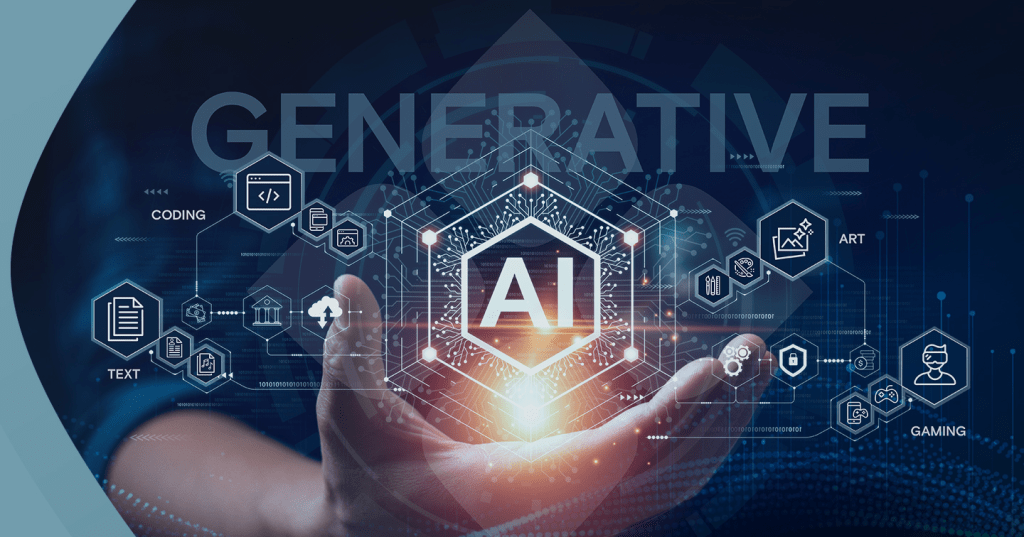
The rapid advancement of Generative Artificial Intelligence (Generative AI) has prompted a paradigm shift in how businesses operate and innovate. As organizations seek to harness the power of Generative AI to remain competitive, Generative AI consulting has emerged as a vital resource. In this article, we will delve into the world of Generative AI consulting, exploring its significance and impact on business success across various industries.
The Emergence of Generative AI Consulting
Generative AI consulting is a specialized field that provides businesses with expertise, guidance, and support in leveraging Generative AI technologies to drive innovation and improve operations. With the complexities and rapid changes in the AI landscape, many businesses are turning to consulting firms to navigate the Generative AI landscape effectively.
1. Navigating Complex AI Ecosystems
The AI ecosystem is multifaceted and rapidly evolving. Generative AI consulting firms assist businesses in understanding and navigating this complexity. They provide insights into the latest AI technologies, tools, and best practices, helping companies identify which solutions are most suitable for their specific needs.
2. Customized AI Strategy Development
Generative AI consultants work closely with businesses to develop tailored AI strategies that align with their goals, resources, and market conditions. They help organizations identify the right AI applications to enhance their operations and drive innovation.
3. Data Management and Ethics
Data is the lifeblood of AI, and handling it ethically and securely is paramount. Generative AI consultants guide businesses in managing their data assets, ensuring compliance with data protection regulations, and addressing ethical concerns surrounding data usage.
4. Model Development and Training
Generative AI consulting firms assist businesses in building and training AI models. They offer expertise in fine-tuning models, optimizing performance, and addressing challenges such as bias and fairness.
Case Studies
To better understand the practical applications of Generative AI consulting, let’s explore some case studies:
Case Study 1: McKinsey & Company’s AI Practice
McKinsey & Company, a global management consulting firm, has established an AI practice dedicated to helping businesses unlock the potential of AI and Generative AI. They offer services such as AI strategy development, organizational transformation, and AI-driven innovation.
Case Study 2: IBM’s AI Consulting Services
IBM offers AI consulting services, providing businesses with expertise in AI strategy, data analytics, model development, and AI deployment. Their consulting teams collaborate with clients to develop AI solutions that enhance productivity, improve customer experiences, and drive business growth.
Challenges and Considerations
While Generative AI consulting offers immense value to businesses, there are challenges to consider:
1. Cost
Engaging Generative AI consulting services can be costly, especially for smaller businesses. Firms must carefully evaluate the return on investment to justify the expenses.
2. Data Privacy and Security
The handling of sensitive data by consulting firms can raise concerns about data privacy and security. Businesses should establish strong data protection agreements and protocols.
3. Skill Gap
Businesses may struggle to integrate AI strategies and solutions without an in-house AI expertise. Generative AI consulting can help bridge this skill gap.
The Future of Business with Generative AI Consulting
The future of business with Generative AI consulting looks promising:
1. Enhanced Competitive Advantage
Generative AI consulting firms will continue to help businesses gain a competitive edge by identifying innovative AI applications and deploying them effectively.
2. Ethical AI Implementation
As AI ethics become more crucial, consulting firms will play a pivotal role in guiding businesses to use AI technologies responsibly and ethically.
3. Industry-Specific Solutions
Generative AI consulting will increasingly offer industry-specific expertise, tailoring AI solutions to meet the unique challenges and opportunities of different sectors.
4. Accelerated Innovation
With the support of Generative AI consulting, businesses will be better equipped to innovate, adapt, and respond to changing market conditions swiftly.
Conclusion
Generative AI consulting has become a critical driver of business success in an increasingly data-driven and AI-powered world. Consulting firms provide businesses with the expertise, strategy, and guidance needed to navigate the complexities of the AI ecosystem, develop customized AI strategies, and address data management and ethical considerations. As businesses strive to harness the power of Generative AI to stay competitive and innovative, Generative AI consulting is no longer an option but a necessity. The future of business is intrinsically tied to its ability to leverage AI and Generative AI consulting plays a vital role in facilitating that transition.
AI in Finance and Banking: Generative Intelligence at Work
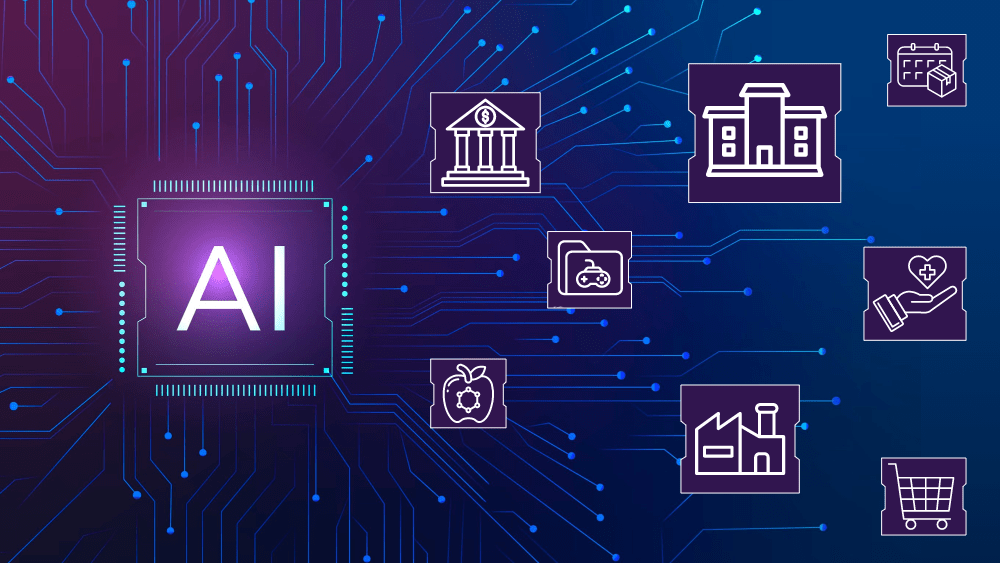
The finance and banking sector has long been at the forefront of technological innovation, and Artificial Intelligence (AI) is ushering in a new era of transformation. Generative Intelligence, a subset of AI, is playing a pivotal role in revolutionizing how financial institutions operate. In this article, we will explore how Generative AI is making its mark in finance and banking, enhancing risk assessment, fraud detection, trading strategies, and customer service.
The Emergence of Generative AI in Finance and Banking
Generative AI, also known as Generative Adversarial Networks (GANs), combines the power of machine learning and deep learning to generate data, images, and text. In finance and banking, it’s being used to innovate and improve various aspects of the industry.
1. Risk Assessment and Credit Scoring
One of the most significant applications of Generative AI in finance is risk assessment and credit scoring. By analyzing vast datasets, Generative AI models can predict creditworthiness and assess risk with greater precision. This results in more accurate lending decisions and better terms for borrowers. Banks and lending institutions are using GANs to identify patterns that may not be apparent to human underwriters.
2. Fraud Detection and Prevention
Fraud remains a persistent challenge in the financial sector. Generative AI is significantly improving fraud detection and prevention. By analyzing transactional data and identifying anomalies, GANs can pinpoint potentially fraudulent activities in real-time. This not only saves financial institutions from losses but also protects customers from unauthorized transactions.
3. Trading Strategies and Investment Recommendations
Trading and investment decisions in financial markets have traditionally relied on human expertise and quantitative models. Generative AI is changing this by generating trading strategies based on historical data and market conditions. These strategies can adapt to changing market dynamics in real-time, improving trading efficiency and potentially increasing returns.
4. Customer Service and Personalization
Generative AI is also enhancing customer service in the finance and banking sector. Chatbots and virtual assistants powered by GANs are capable of providing real-time assistance to customers, answering queries, and even assisting with financial planning. This level of personalization and automation is improving customer experiences and reducing the workload on human customer service representatives.
Case Studies
To better understand the practical application of Generative AI in finance and banking, let’s examine some case studies:
Case Study 1: JPMorgan Chase’s AI-Powered Trading Strategies
JPMorgan Chase, one of the world’s largest financial institutions, has been actively using Generative AI to develop trading strategies. Their AI models analyze historical data, market sentiment, and other factors to create trading algorithms that adapt to market conditions. This approach has led to improved trading performance.
Case Study 2: Mastercard’s Fraud Detection System
Mastercard employs Generative AI for fraud detection. By analyzing transaction patterns, cardholder behavior, and geographic data, their AI system identifies and alerts on potential fraudulent activities in real-time, reducing fraud-related losses.
Challenges and Considerations
While Generative AI offers transformative benefits in finance and banking, it comes with its own set of challenges:
1. Data Privacy and Security
The use of customer and transaction data for Generative AI applications raises concerns about data privacy and security. Financial institutions must prioritize data protection to maintain customer trust.
2. Regulatory Compliance
The financial sector is highly regulated, and AI applications must adhere to a complex web of regulations. Ensuring compliance is crucial to avoid legal and reputational risks.
3. Ethical Considerations
As AI takes on a more prominent role in decision-making, ethical considerations become paramount. Fairness, transparency, and accountability are central to the ethical use of AI in finance and banking.
The Future of Finance and Banking with Generative AI
The future of finance and banking with Generative AI holds immense promise:
1. Advanced Risk Management
Generative AI will continue to enhance risk assessment and credit scoring, providing a more accurate and dynamic approach to risk management.
2. Real-Time Fraud Prevention
As Generative AI evolves, it will become even more adept at preventing fraud in real-time, protecting both financial institutions and customers.
3. Personalized Banking
Customer service in finance and banking will become increasingly personalized, with AI-driven virtual assistants delivering customized financial advice and assistance.
4. Algorithmic Trading Dominance
Generative AI-powered trading algorithms will likely become more prevalent, potentially altering the landscape of financial markets.
Conclusion
Generative Intelligence, a subset of Artificial Intelligence, is ushering in a new era of transformation in the finance and banking sector. Its applications in risk assessment, fraud detection, trading strategies, and customer service are revolutionizing the industry. As financial institutions continue to adopt Generative AI technologies, they must navigate challenges related to data privacy, regulatory compliance, and ethical considerations. The future of finance and banking is inherently tied to its ability to leverage AI, and Generative AI is at the forefront of this revolution, offering immense potential for innovation, efficiency, and customer satisfaction.
 AI Deep Learning