In the era of Industry 4.0, Artificial Intelligence (AI) is emerging as a transformative force in manufacturing, reshaping traditional processes and enhancing overall efficiency. This article explores the profound impact of AI in manufacturing, focusing on key use cases: predictive maintenance, inventory management, production planning, and procurement. These applications leverage the power of AI to optimize operations, reduce costs, and propel the manufacturing industry into a new era of innovation.
AI in Predictive Maintenance
AI in Predictive maintenance stands at the forefront of applications in manufacturing, representing a paradigm shift from traditional, reactive maintenance approaches. The core idea is to use AI algorithms to analyze real-time data from sensors and machinery, predicting equipment failures before they occur.
By continuously monitoring equipment conditions, AI identifies patterns and anomalies in data, allowing manufacturers to schedule maintenance during planned downtime. This proactive approach minimizes unexpected breakdowns, reduces downtime, and optimizes overall equipment effectiveness. The result is increased reliability, cost savings through optimized maintenance schedules, and improved operational efficiency.
Predictive maintenance not only enhances equipment reliability but also contributes to resource optimization. By addressing maintenance needs precisely when required, manufacturers can minimize the unnecessary replacement of parts and extend the lifespan of critical machinery, translating into long-term cost savings.
AI in Inventory Management
Effective inventory management is a critical aspect of manufacturing operations, impacting production efficiency and customer satisfaction. AI in inventory management addresses the challenges of maintaining optimal inventory levels, minimizing both overstock and stockouts.
AI algorithms analyze historical data, demand forecasts, and external factors in real-time to optimize inventory levels. By considering variables such as seasonality, market trends, and supplier performance, AI ensures that manufacturers have the right amount of raw materials and finished goods to meet demand without excess or shortage.
This dynamic approach to inventory management not only reduces carrying costs but also enhances customer satisfaction by ensuring timely order fulfillment. AI-driven inventory management contributes to leaner, more efficient supply chains and provides manufacturers with the agility to respond to market fluctuations effectively.
AI in Production Planning
Production planning is a complex task involving the coordination of resources, scheduling operations, and optimizing workflows. AI in production planning revolutionizes this process by analyzing vast amounts of data to make informed decisions and enhance overall efficiency.
Machine learning algorithms consider factors such as historical production data, market trends, and supply chain information to optimize production schedules. This results in reduced lead times, improved production throughput, and increased overall efficiency.
AI-driven production planning is characterized by adaptability and responsiveness. Manufacturers can quickly adjust production schedules based on real-time changes in demand or unforeseen disruptions, ensuring a more agile and streamlined manufacturing process.
The integration of AI in production planning not only enhances operational excellence but also contributes to sustainability efforts. By minimizing waste and optimizing resource utilization, manufacturers can achieve both cost savings and a reduced environmental footprint.
AI in Procurement
Procurement is a fundamental aspect of manufacturing, and AI is playing a crucial role in optimizing sourcing and supplier management. AI in procurement systems automate routine tasks, improve decision-making, and enhance supplier relationships.
These systems leverage advanced analytics and machine learning to analyze supplier performance, track market trends, and identify potential risks in the supply chain. Automated processes, such as invoice processing and vendor communication, free up procurement professionals to focus on strategic activities like supplier relationship management and strategic sourcing.
AI-driven procurement contributes to cost savings, risk mitigation, and more efficient supply chain management. By identifying opportunities for cost optimization and negotiating favorable terms with suppliers, manufacturers can achieve a competitive edge in the market.
Conclusion
The integration of AI into manufacturing processes is driving a paradigm shift, offering unprecedented efficiency, optimization, and innovation. The use cases discussed – predictive maintenance, inventory management, production planning, and procurement – showcase the versatility and impact of AI in the manufacturing industry.
As manufacturers embrace AI technologies, they stand to gain a competitive edge by enhancing operational excellence, reducing costs, and responding more effectively to market dynamics. The synergy between human expertise and AI capabilities promises to create a manufacturing ecosystem that is not only more efficient but also more resilient, adaptive, and sustainable in the face of evolving challenges and opportunities. The journey towards smart manufacturing powered by AI is not just a technological evolution; it’s a transformative leap into a future where efficiency, innovation, and sustainability coalesce to redefine the manufacturing landscape.
Artificial Intelligence (AI) has emerged as a game-changer in the manufacturing industry, reshaping traditional processes and paving the way for unprecedented efficiency and productivity. In this article, we will delve into four critical use cases of AI in manufacturing: Predictive Maintenance, Inventory Management, Production Planning, and Procurement.
AI in Predictive Maintenance
Predictive maintenance has become a cornerstone in modern manufacturing, as it allows businesses to anticipate equipment failures before they occur, minimizing downtime and reducing overall maintenance costs. AI in predictive maintenance plays a pivotal role by leveraging machine learning algorithms to analyze data from sensors, equipment logs, and historical maintenance records.
One of the key advantages of AI in predictive maintenance is its ability to detect patterns and anomalies in data that might go unnoticed by human operators. By continuously monitoring equipment performance, AI systems can predict when components are likely to fail, enabling proactive maintenance interventions. This not only prevents unexpected breakdowns but also extends the lifespan of machinery, optimizing the overall efficiency of manufacturing operations.
Furthermore, AI-driven predictive maintenance enhances safety by identifying potential hazards and ensuring that equipment meets industry standards. This proactive approach reduces the risk of accidents, protecting both machinery and personnel.
AI in Inventory Management
Inventory management is a critical aspect of manufacturing that directly influences operational costs and customer satisfaction. AI in inventory management brings a new level of sophistication by automating and optimizing the entire process. AI algorithms analyze historical data, demand forecasts, and supply chain dynamics to make accurate predictions about inventory levels and product demand.
One of the primary challenges in inventory management is striking the right balance between maintaining optimal stock levels and minimizing holding costs. AI addresses this challenge by dynamically adjusting inventory levels based on real-time demand fluctuations. This prevents overstocking or stockouts, ensuring that manufacturers have the right amount of raw materials and finished goods on hand to meet customer demand.
Moreover, AI enhances supply chain visibility, allowing manufacturers to anticipate disruptions and make informed decisions. This level of insight enables companies to implement “just-in-time” inventory practices, reducing excess inventory and associated holding costs.
AI in Production Planning
Efficient production planning is crucial for meeting customer demands, optimizing resource utilization, and minimizing production costs. AI revolutionizes production planning by analyzing vast amounts of data to create accurate and adaptive production schedules. Machine learning algorithms consider various factors, such as historical production data, market demand, and resource availability, to generate optimal production plans.
One of the significant advantages of AI in production planning is its ability to adapt to real-time changes. If unexpected events, such as machine breakdowns or supply chain disruptions, occur, AI algorithms can quickly adjust production schedules to minimize the impact on overall efficiency. This adaptability enhances agility in manufacturing processes, making it easier for companies to respond to changing market conditions.
AI-driven production planning also optimizes resource allocation, ensuring that equipment, labor, and materials are utilized efficiently. This leads to increased productivity and reduced operational costs, contributing to the overall competitiveness of manufacturing businesses.
AI in Procurement
The procurement process is a complex and multifaceted aspect of manufacturing that involves sourcing raw materials, negotiating contracts, and managing supplier relationships. AI brings unprecedented efficiency to procurement by automating routine tasks, analyzing market trends, and optimizing supplier selection.
One of the key applications of AI in procurement is the use of natural language processing (NLP) to analyze contracts and extract relevant information. This streamlines the contract review process, reducing the time and resources required for legal teams to review and negotiate agreements. Additionally, AI-driven systems can monitor supplier performance, identifying potential risks and opportunities for improvement.
Furthermore, AI enhances strategic decision-making in procurement by analyzing vast amounts of data to identify cost-saving opportunities, negotiate favorable terms, and identify alternative suppliers. This level of insight allows manufacturers to make informed decisions that align with their overall business objectives.
Conclusion
In conclusion, the integration of AI in manufacturing has ushered in a new era of efficiency, productivity, and competitiveness. The use cases discussed – predictive maintenance, inventory management, production planning, and procurement – showcase how AI is reshaping traditional manufacturing processes, optimizing resource utilization, and enhancing decision-making. As manufacturers continue to embrace AI technologies, the industry is poised for continuous innovation and evolution, driving unprecedented advancements in efficiency, sustainability, and overall operational excellence.
AI in Risk Management: Enhancing Predictive Analytics
In an ever-evolving global economy, risk management has become an integral part of business operations. The ability to identify, assess, and mitigate risks can be the difference between success and failure. Traditionally, risk management relied on historical data and human expertise to make informed decisions. However, with the advent of artificial intelligence (AI), the landscape is changing dramatically. AI is not just enhancing predictive analytics; it’s revolutionizing the way we approach risk management.
I. Introduction
Risk management is the practice of identifying and analyzing potential risks that can affect an organization’s ability to achieve its objectives. These risks can be financial, operational, strategic, or even compliance-related. Traditionally, risk management heavily relied on historical data and statistical methods to predict potential threats and their impact. Human experts would analyze this data to make informed decisions.
AI has brought a paradigm shift in the world of risk management. It’s enabling organizations to move beyond the limitations of traditional methods and tap into the vast potential of data-driven decision-making. The use of AI-driven predictive analytics is making risk management more precise, efficient, and adaptable.
II. The Role of AI in Predictive Analytics
Predictive analytics is at the core of risk management. It involves analyzing historical and real-time data to forecast future events and trends. AI plays a pivotal role in predictive analytics through the following mechanisms:
1. Data Processing and Analysis:
AI algorithms can process and analyze vast amounts of data at unprecedented speeds. This includes structured data (e.g., financial records) and unstructured data (e.g., social media sentiment analysis). By leveraging machine learning models, AI can identify patterns and correlations that humans might overlook.
2. Real-time Monitoring:
AI systems can continuously monitor data streams, providing real-time insights. For example, in financial risk management, AI algorithms can instantly detect irregular trading patterns or market fluctuations, allowing for rapid response.
3. Improved Accuracy:
AI can significantly improve the accuracy of risk predictions. Machine learning models learn from historical data and adapt over time, reducing false positives and false negatives in risk assessment.
III. Use Cases in Different Industries
AI’s impact on risk management is not limited to a single industry. Its applications are diverse, and it’s transforming how risks are managed across sectors. Here are some notable use cases:
1. Financial Services:
In the finance industry, AI is used for credit risk assessment. Machine learning models analyze an applicant’s financial history, transaction behavior, and other data points to determine their creditworthiness. This is not limited to traditional banks; fintech companies are also harnessing AI to make lending decisions.
2. Healthcare:
In healthcare, AI aids in clinical risk management. It helps identify patients at high risk of certain diseases based on their medical history and genetic information. AI also assists in hospital management by predicting patient admission rates and optimizing resource allocation.
3. Supply Chain Management:
AI is used to manage supply chain risks by predicting disruptions and optimizing inventory levels. It can factor in variables like weather, geopolitical events, and transportation delays to make more accurate predictions.
IV. Challenges and Ethical Considerations
While the potential of AI in risk management is undeniable, it’s not without challenges and ethical considerations. Some of these include:
1. Data Privacy and Security:
The massive amounts of data AI relies on must be handled securely and in compliance with data protection regulations. Mishandling data can lead to severe legal and reputational consequences.
2. Model Explainability:
AI models, particularly deep learning models, can be complex and hard to interpret. This lack of transparency can pose challenges in explaining risk assessment decisions to stakeholders and regulators.
3. Overreliance on AI:
Relying too heavily on AI models without human oversight can lead to a lack of accountability. It’s important to strike a balance between AI-driven decision-making and human judgment.
4. Bias and Fairness:
AI models may inherit biases present in historical data, potentially leading to unfair outcomes. Efforts must be made to mitigate bias and ensure that risk assessments are fair and equitable.
V. The Future of Risk Management
The future of risk management is undoubtedly intertwined with AI. As AI technologies continue to evolve, the field of risk management will see significant advancements. Some key developments to watch for include:
1. Customized Risk Models:
AI can create highly customized risk models tailored to the specific needs of organizations. These models will adapt to changing business environments and evolving risks.
2. Enhanced Fraud Detection:
AI’s ability to detect fraudulent activities in real-time will become more sophisticated, offering better protection against financial crimes.
3. Regulatory Compliance:
AI will help organizations stay in compliance with evolving regulations by providing real-time monitoring and reporting tools.
4. Interconnected Risk Management:
AI will enable better integration of risk management across different organizational functions, making it a more holistic and proactive process.
VI. Conclusion
AI is no longer a futuristic concept in the realm of risk management; it’s a present reality. It’s transforming the way organizations identify and respond to risks, making the process more data-driven, accurate, and efficient. However, to fully harness its potential, organizations must address challenges related to data privacy, transparency, and fairness. As AI continues to evolve, risk management will evolve with it, becoming more adaptive, insightful, and integral to the success of businesses across various industries.
Customer Complaint Management: AI-Driven Solutions for Enhanced Customer Experience
In today’s hyper-connected digital age, customers have more power than ever before. Their voices can make or break a brand, making effective complaint management a critical aspect of customer satisfaction and retention. While customer complaints are inevitable, how businesses handle these complaints can set them apart. Artificial Intelligence (AI) is emerging as a game-changer in the world of customer complaint management, enhancing efficiency, responsiveness, and overall customer experience.
I. Introduction
Customer complaints are a double-edged sword. On one hand, they provide valuable feedback for businesses, highlighting areas that need improvement. On the other hand, unresolved complaints can damage a company’s reputation and lead to customer attrition.
AI-driven solutions are revolutionizing how businesses address complaints. These solutions leverage natural language processing, machine learning, and automation to streamline the complaint management process. In this article, we’ll explore the role of AI in transforming customer complaint management and how it leads to enhanced customer experiences.
II. The Traditional Approach to Customer Complaints
Historically, customer complaint management has been a manual and resource-intensive process. Customer service representatives typically fielded complaints through various channels, such as phone calls, emails, or in-person interactions. These representatives would then manually log the complaints, assess their validity, and forward them to relevant departments for resolution.
The traditional approach suffered from several shortcomings:
Response Time: Delays in complaint resolution due to the manual process led to customer frustration.
Human Error: Manual data entry and routing often resulted in errors and miscommunications.
Scalability: As businesses grew, handling a growing number of complaints became increasingly challenging.
III. AI-Driven Solutions for Complaint Management
AI is addressing these challenges and reshaping how businesses manage customer complaints. Here are several ways in which AI is making a significant impact:
1. Automated Triage:
AI chatbots and virtual assistants can act as the first line of defense. They handle initial interactions with customers, gather information about their complaints, and categorize them. This automated triage ensures that complaints are directed to the right teams promptly.
2. Natural Language Processing (NLP):
NLP technology enables AI systems to understand and interpret customer complaints in their natural language. It can discern the sentiment, urgency, and intent behind each message, allowing for more personalized and context-aware responses.
3. Predictive Analytics:
AI can predict the potential severity of a complaint and prioritize it accordingly. For instance, a complaint related to a product defect that may affect many customers can be escalated more quickly than an isolated issue.
4. Knowledge Base Integration:
AI systems can be integrated with a knowledge base of FAQs and common solutions. This allows them to provide instant responses to frequently asked questions and known issues, reducing response times and improving the customer experience.
5. Workflow Automation:
AI-driven workflows can automatically assign complaints to the appropriate departments and individuals for resolution. This streamlines the process, minimizes human error, and ensures accountability.
6. Sentiment Analysis:
AI can analyze the sentiment of customer complaints, helping businesses understand not only what went wrong but also how customers feel about it. This sentiment analysis provides valuable insights for continuous improvement.
IV. Benefits of AI-Driven Complaint Management
The adoption of AI in complaint management offers numerous advantages:
1. Speed and Responsiveness:
AI-driven systems can provide immediate responses, even in non-office hours. This speed and responsiveness can help defuse customer frustration and prevent issues from escalating.
2. Efficiency:
AI automates routine tasks, freeing up human agents to focus on complex complaints that require personalized attention. This increases the efficiency of the complaint resolution process.
3. Personalization:
AI can personalize responses by considering a customer’s history and preferences. This creates a more engaging and empathetic customer experience.
4. Scalability:
AI systems can scale to handle a high volume of complaints, ensuring that businesses can meet the needs of their growing customer base.
5. Data Insights:
AI-driven complaint management generates valuable data and insights. Businesses can use this data to identify recurring issues, track customer satisfaction, and make data-informed decisions for improvement.
V. Challenges and Ethical Considerations
While AI holds significant promise for complaint management, there are challenges and ethical considerations to address:
1. Loss of Human Touch:
Over-reliance on AI can lead to a loss of the human touch in customer interactions. Businesses must strike a balance between automation and human interaction.
2. Data Privacy:
Handling customer data, even for the purpose of complaint resolution, requires careful attention to data privacy regulations. Businesses must ensure that customer data is handled securely and in compliance with laws like GDPR.
3. Bias and Fairness:
AI models used in customer complaint management can inadvertently perpetuate biases present in historical data. Careful training and monitoring are needed to ensure fair outcomes.
VI. The Future of Customer Complaint Management
The integration of AI in customer complaint management is expected to continue evolving. In the future, we can anticipate the following developments:
1. Multichannel Integration:
AI will seamlessly integrate with various communication channels, including social media, chat apps, and voice assistants, providing a unified complaint management experience.
2. Proactive Resolution:
AI will become more proactive in identifying potential complaints before they escalate, allowing businesses to address issues before they impact customer satisfaction.
3. Enhanced Analytics:
Advanced AI-driven analytics will provide deeper insights into customer behavior and preferences, allowing businesses to take a more customer-centric approach to complaint management.
4. AI and Human Collaboration:
AI will work in tandem with human customer service representatives, assisting them in providing faster, more accurate, and empathetic responses.
VII. Conclusion
AI is transforming customer complaint management into a more efficient, responsive, and personalized process. By automating routine tasks, analyzing sentiments, and streamlining workflows, AI-driven solutions help businesses resolve complaints more effectively. In the process, they enhance the overall customer experience, increasing satisfaction and loyalty.
AI in Cybersecurity: The Guardian of Digital Assets
In an era marked by relentless connectivity and the digitalization of nearly every aspect of our lives, the importance of cybersecurity cannot be overstated. Cyberattacks are evolving in complexity and frequency, posing a significant threat to individuals, businesses, and governments. In this article, we will explore how Artificial Intelligence (AI) is playing a pivotal role in bolstering cybersecurity efforts, acting as the guardian of digital assets in an ever-expanding and interconnected digital landscape.
I. Introduction
The digitization of our world has created unprecedented opportunities, but it has also given rise to new and potent threats. Cyberattacks, whether perpetrated by state-sponsored actors, criminal organizations, or malicious individuals, can have catastrophic consequences. Traditional cybersecurity approaches are no longer sufficient to combat these evolving threats, which is where AI steps in.
II. The Role of AI in Cybersecurity
AI technologies, particularly machine learning, neural networks, and natural language processing, are revolutionizing the field of cybersecurity. Here’s how AI is shaping the landscape:
1. Threat Detection and Prevention:
AI systems excel at identifying anomalies and patterns in vast datasets. By analyzing network traffic, system logs, and user behavior, AI can detect suspicious activities that may indicate a cyberattack in progress. In some cases, AI can even respond to threats in real-time, preventing damage before it occurs.
2. Predictive Analysis:
Machine learning models can predict potential threats by analyzing historical data and identifying patterns that precede cyberattacks. This proactive approach allows organizations to shore up their defenses before an attack occurs.
3. Malware Detection:
AI can recognize and categorize malware based on its behavior, even if it has not been seen before. This ability to identify zero-day threats is a crucial advantage in the fight against cybercrime.
4. Natural Language Processing for Monitoring Communication:
AI-driven NLP technology can scan communication channels for suspicious or malicious content, helping to detect and prevent phishing attacks, social engineering, and other forms of cyber fraud.
5. User Behavior Analysis:
AI can establish a baseline of normal user behavior and flag any deviations. If a user suddenly attempts to access sensitive information or behaves unusually, AI can identify the threat, even if the attack originates from within the organization.
III. Use Cases in Cybersecurity
AI in cybersecurity is already being applied across various domains. Here are some notable use cases:
1. Intrusion Detection:
AI helps identify unauthorized access and malicious activities within computer networks, allowing organizations to respond promptly to security breaches.
2. Endpoint Security:
AI-powered endpoint security solutions protect individual devices from malware, ransomware, and other threats by detecting and blocking malicious processes.
3. Threat Intelligence:
AI can process vast amounts of data from various sources to identify emerging threats and vulnerabilities, providing threat intelligence that helps organizations stay ahead of potential attacks.
4. Network Security:
AI systems can analyze network traffic patterns to detect and prevent cyberattacks like Distributed Denial of Service (DDoS) attacks and data breaches.
5. Security Automation:
AI can automate routine security tasks, freeing up human analysts to focus on more complex and critical tasks, such as threat analysis and incident response.
IV. Challenges and Ethical Considerations
While AI holds great potential for cybersecurity, there are challenges and ethical considerations to address:
1. False Positives:
Overly sensitive AI systems can generate false alarms, potentially overwhelming security teams. Balancing detection accuracy with false positives is a challenge.
2. Ethical Use of AI in Cyber Warfare:
The use of AI in cyber warfare raises significant ethical concerns. Ensuring responsible use and adherence to international laws is paramount.
3. Security of AI Systems:
AI systems themselves can be vulnerable to attack. Malicious actors can exploit AI models to bypass security defenses.
4. Bias in AI Models:
AI models may inherit biases from the data they are trained on. Ensuring fairness and non-discrimination in cybersecurity is crucial.
V. The Future of Cybersecurity with AI
The future of cybersecurity is intimately intertwined with AI. Several trends are shaping the path forward:
1. Enhanced Threat Intelligence:
AI will continue to improve the identification of new and emerging threats, providing organizations with better threat intelligence to inform their security strategies.
2. AI for User Authentication:
AI will play a growing role in user authentication, using biometrics, behavior analysis, and multi-factor authentication to enhance security.
3. Quantum-Safe Cryptography:
As quantum computing threatens current cryptographic methods, AI will help develop and implement quantum-safe cryptography.
4. Autonomous Cybersecurity:
AI will increasingly drive autonomous cybersecurity, where AI systems can respond to threats without human intervention.
VI. Conclusion
AI is a formidable ally in the battle to safeguard digital assets. It offers proactive, adaptive, and intelligent approaches to cybersecurity, helping organizations and individuals defend against an ever-evolving landscape of cyber threats. As we move into an era marked by increasing interconnectivity, the role of AI in cybersecurity will only become more crucial.
In this series of articles, we have explored the transformative role of AI in various aspects of risk management, customer complaint management, fraud detection, and cybersecurity. These applications of AI are not standalone; they are interconnected, working in synergy to protect and enhance the digital world we live in. As AI technologies continue to evolve, we can anticipate even more innovative solutions to address the challenges and opportunities of our interconnected, digital age.
Artificial Intelligence (AI) has become a transformative force in our world, reshaping industries, automating processes, and augmenting human capabilities. Within the vast realm of AI, one subfield stands out for its ability to create content, images, and even music that is indistinguishable from human-generated work. This subfield is Generative AI, and it’s fundamentally changing the way we interact with technology and the possibilities of creative expression. In this article, we will explore the power of Generative AI, its mechanisms, and delve into its diverse range of use cases and applications.
Understanding Generative AI
Generative AI is a subset of artificial intelligence that focuses on training machines to generate content that resembles human-created output. This is achieved through neural networks, specifically generative models, which learn to produce data similar to that which they are trained on. The two most prominent forms of generative AI models are Generative Adversarial Networks (GANs) and Variational Autoencoders (VAEs).
Generative Adversarial Networks (GANs): GANs consist of two neural networks, a generator, and a discriminator. The generator aims to create data, and the discriminator’s role is to differentiate between real and generated data. These two networks work in tandem, with the generator constantly improving its output to fool the discriminator, ultimately producing data that is often indistinguishable from human-created content.
Variational Autoencoders (VAEs): VAEs work differently from GANs but also generate content. They focus on encoding input data into a lower-dimensional representation and then decode it back to the original format. This process allows for the generation of data that is statistically similar to the training dataset.
Use Cases and Applications
Generative AI’s ability to create content has led to a wide array of applications across various industries. Let’s explore some of the most prominent ones:
1. Image Generation and Manipulation:
Generative AI has revolutionized image generation and manipulation. It can be used to create realistic images of objects, landscapes, or even entirely imaginary scenes. For instance, AI-powered tools like DALL·E can generate images from textual descriptions, bridging the gap between text and visuals. This technology has applications in advertising, design, and entertainment, allowing for quick and cost-effective content creation.
2. Deepfake Technology:
While the term ‘deepfake’ often carries a negative connotation, it’s essential to acknowledge the technological advancements it represents. Deepfake technology uses generative AI to manipulate videos and images to make them appear as if they feature individuals or scenarios that never existed. This can be used for entertainment, but also raises important ethical and security concerns.
3. Content Creation and Text Generation:
Generative AI can be employed in the creation of text content, including news articles, reports, or even creative writing. OpenAI’s GPT-3, for instance, can generate coherent, contextually relevant text. Content creation tools powered by GPT-3 are already in use, simplifying tasks like drafting emails, generating code, or even producing creative writing pieces.
4. Art and Music Generation:
The realm of art and music has seen a significant transformation through generative AI. AI algorithms are capable of composing music or creating artwork in various styles. Musicians use AI to generate music and discover novel melodies, while artists employ AI to assist in creating digital art or unique visual effects.
5. Personalization and Recommendation Systems:
Generative AI plays a crucial role in personalization and recommendation systems. Whether it’s suggesting products on e-commerce platforms, curating playlists on music streaming services, or recommending content on social media, AI-powered recommendation engines rely on generative models to understand user preferences and tailor content accordingly.
6. Healthcare and Drug Discovery:
In healthcare, generative AI is used for various purposes. It aids in generating synthetic medical data for training machine learning models. It can also assist in drug discovery by simulating molecular structures, which accelerates the identification of potential drug candidates.
7. Natural Language Processing:
Language models powered by generative AI are essential in natural language processing tasks. They can understand and generate human-like text, making them indispensable for chatbots, language translation, sentiment analysis, and more.
Challenges and Ethical Considerations
While generative AI presents immense potential, it also brings forth significant challenges. Some of the primary concerns include:
Ethical Use: The technology can be misused for creating fraudulent content or deepfakes, causing harm or misinformation.
Bias and Fairness: Generative AI models can perpetuate biases present in training data, leading to unfair or discriminatory outcomes.
Security: There’s a need to protect generative AI models from adversarial attacks to ensure the integrity of generated content.
Conclusion
Generative AI is a powerful force in the world of artificial intelligence, enabling the creation of content that was once the exclusive domain of human creativity. It has broad-ranging applications across industries, from entertainment and art to healthcare and recommendation systems. However, its power also comes with ethical and security challenges that require careful consideration. As we move forward, understanding and responsibly using generative AI is crucial to harness its potential while mitigating its risks.
The Impact of AI in Media and Entertainment
The media and entertainment industry has been radically transformed by the advent of artificial intelligence (AI). From content creation and recommendation systems to immersive experiences, AI is reshaping how we consume and create media. In this article, we’ll explore the profound impact of AI in the media and entertainment sector, and how it’s revolutionizing the way we interact with content.
Content Creation and Augmentation
One of the most significant ways AI is changing the media and entertainment industry is by automating and enhancing content creation. AI-driven tools and technologies are now being used to generate, edit, and optimize various forms of media.
Automated Journalism:AI algorithms, such as natural language generation (NLG), are increasingly being employed to generate news articles, sports reports, and financial summaries. Automated journalism systems can quickly process vast amounts of data and produce human-readable news pieces in real-time. This not only speeds up news reporting but also allows for personalized content generation, catering to the specific interests of readers.
Video and Audio Editing:AI-powered tools are transforming the way video and audio content is edited. AI can automatically analyze and tag video footage or transcribe audio, making it easier for editors to find the right content quickly. Furthermore, AI-based software can perform complex video editing tasks, such as color correction and scene composition, with remarkable accuracy.
Virtual Set Design:AI is used in the entertainment industry to design virtual sets for movies, TV shows, and gaming environments. It allows for the creation of realistic virtual worlds that are both visually captivating and cost-effective. AI algorithms can simulate lighting conditions, textures, and physics in a way that was previously labor-intensive and expensive.
Content Recommendation Systems
AI-driven recommendation systems have become an integral part of how we discover and consume media. These systems leverage user data, content metadata, and AI algorithms to suggest relevant content to users. They’re used in various media platforms, from streaming services to e-commerce websites.
Personalized Content Discovery:Media streaming services like Netflix, Amazon Prime Video, and Spotify use AI to analyze user preferences and behaviors. This enables them to recommend movies, TV shows, and music tailored to each individual’s tastes. As a result, users spend less time searching for content and more time enjoying it.
Improved User Engagement:By offering personalized recommendations, media platforms can increase user engagement and retention. When users discover content that resonates with them, they’re more likely to stay loyal to the platform and spend more time on it.
Immersive Experiences
AI is enhancing immersive experiences in both gaming and virtual reality (VR). These technologies are taking storytelling and gaming to new heights.
AI in Gaming:AI is used to create non-player characters (NPCs) that exhibit realistic behaviors and adapt to player actions. Games can have procedurally generated content, intelligent enemies, and dynamic storylines that evolve based on player choices. For example, the game “The Elder Scrolls V: Skyrim” utilizes AI to create a dynamic and open world where NPCs have their own daily schedules and respond to in-game events.
Virtual Reality and Augmented Reality:AI plays a pivotal role in enhancing VR and AR experiences. It can be used to generate realistic 3D environments, track user movements, and even offer real-time language translation in AR applications. The potential for education, training, and interactive storytelling is immense.
Challenges and Considerations
Despite its many benefits, AI in media and entertainment also raises challenges and ethical considerations.
Privacy Concerns:The collection and utilization of user data to power recommendation systems have raised privacy concerns. Striking the right balance between personalization and data privacy is a complex issue.
Algorithmic Bias:AI-driven content recommendation systems are prone to algorithmic bias, potentially reinforcing stereotypes or excluding certain groups. Addressing this issue is crucial to ensure fairness and diversity in media content.
Monetization and Copyright:The use of AI for content generation and manipulation raises questions about copyright and intellectual property. Determining ownership and royalties in the context of AI-created content is an evolving challenge.
Conclusion
AI has become an indispensable force in the media and entertainment industry, transforming content creation, recommendation systems, and immersive experiences. Its ability to personalize content discovery and automate various production tasks is revolutionizing the way we consume media. However, addressing the ethical and privacy concerns associated with AI is essential for maintaining trust and ensuring responsible use.
Ensuring Security in AI Development: Challenges and Solutions
The rapid proliferation of artificial intelligence (AI) across industries has brought about transformative changes, but it has also opened up new frontiers in terms of security challenges. As AI systems become more integrated into our daily lives, securing them against potential threats and vulnerabilities is of paramount importance. In this article, we’ll explore the critical aspects of security in AI development, discussing the challenges and presenting solutions to ensure the integrity and reliability of AI systems.
Challenges in Securing AI Systems
Securing AI systems is a multifaceted endeavor, as these systems can be vulnerable to a variety of threats and challenges:
Data Security:Data is the lifeblood of AI, and securing it is a primary concern. Sensitive data used for training AI models, such as personal information or proprietary company data, must be protected from unauthorized access and breaches. In addition, AI systems that make decisions based on data can be manipulated through data poisoning attacks, leading to biased or incorrect outcomes.
Model Robustness:AI models can be vulnerable to adversarial attacks, where slight modifications to input data can lead to incorrect predictions. For example, an image recognition model can misclassify an image when small, imperceptible changes are made to it. Ensuring model robustness against these attacks is a significant challenge.
Ethical Concerns:AI can perpetuate biases present in training data, leading to unfair or discriminatory outcomes. It’s essential to address the ethical concerns associated with AI systems, ensuring they make decisions that are just, unbiased, and align with societal values.
Explainability and Transparency:Many AI systems are black boxes, making it difficult to understand why they make certain decisions. Ensuring the transparency and explainability of AI systems is critical, especially in sectors like healthcare, where it’s essential to understand the basis for medical diagnoses and treatment recommendations.
Regulatory Compliance:AI developers must navigate a complex landscape of regulatory requirements. Ensuring compliance with regulations such as the General Data Protection Regulation (GDPR) and ensuring AI systems are transparent and accountable is a challenge that requires careful planning and monitoring.
Solutions for Securing AI Systems
To address the challenges of securing AI systems, developers and organizations can employ several strategies and best practices:
Data Encryption and Privacy Preservation:Protect sensitive data by implementing robust encryption techniques. Utilize privacy-preserving methods such as federated learning, which enables model training without the need to centralize data, thereby reducing privacy risks.
Regular Model Auditing:Regularly audit AI models for vulnerabilities and biases. Implement adversarial testing to identify and mitigate adversarial attacks. Open-source tools like IBM’s Adversarial Robustness Toolbox can help in this process.
Ethical AI Development:Train AI developers and data scientists to be aware of ethical considerations. Develop guidelines for data collection, annotation, and model training that prioritize fairness and inclusivity.
Explainable AI (XAI):Invest in developing explainable AI models. Techniques like LIME (Local Interpretable Model-Agnostic Explanations) and SHAP (SHapley Additive exPlanations) can help explain AI decisions, making the technology more transparent.
Security Patch Management:Regularly update AI systems to apply security patches and updates. Vulnerabilities can be identified and addressed through a robust patch management process.
User Training and Awareness:Educate end-users and organizations about potential AI-related security threats and best practices for using AI systems securely. This includes avoiding unsafe AI model deployments and interacting responsibly with AI systems.
Collaboration with Cybersecurity Experts:Engage with cybersecurity experts who can evaluate AI systems for vulnerabilities and advise on best practices. Collaboration between AI and cybersecurity teams can enhance the overall security posture.
Compliance Frameworks:Implement compliance frameworks that are aligned with regulatory requirements. Regularly review and update policies and procedures to ensure compliance with evolving regulations.
The Future of AI Security
The landscape of AI security is evolving as the technology matures and threats become more sophisticated. Looking ahead, several trends and developments are shaping the future of AI security:
AI in Cybersecurity:AI will play an increasingly critical role in defending against AI-driven cyberattacks. AI systems can help in real-time threat detection and response.
Automated Security Solutions:The integration of AI into security solutions will lead to automated threat detection and remediation, reducing the human response time in identifying and mitigating security risks.
Regulatory Evolution:Regulations governing AI and data protection will continue to evolve. Organizations must remain agile and proactive in adapting to these changes.
Research in AI Security:AI security will remain an active area of research. There will be ongoing efforts to develop more robust models, detection techniques, and ethical frameworks.
Conclusion
As AI continues to weave its way into various aspects of our lives and industries, ensuring the security of AI systems becomes more critical than ever. The challenges posed by data security, model robustness, ethical concerns, and transparency demand a proactive approach from developers and organizations. By implementing best practices and staying updated on the latest security trends, we can harness the transformative power of AI while mitigating the associated risks.
AI Use Cases in Information Technology: From IT Support to Automation
The information technology (IT) sector is no stranger to disruption, and artificial intelligence (AI) is driving another wave of transformative change. AI’s application in IT extends from streamlining support and troubleshooting processes to automating routine tasks and enhancing network security. In this article, we’ll explore the use cases of AI in information technology, highlighting how it’s reshaping the landscape of IT operations and support.
AI in IT Support and Troubleshooting
AI has emerged as a powerful tool in the IT support and troubleshooting domain, offering faster, more efficient solutions to common issues:
Chatbots and Virtual Assistants:AI-powered chatbots and virtual assistants can provide instant, round-the-clock support to users. They handle routine inquiries, troubleshoot common problems, and guide users through various processes. Chatbots can also assist in creating support tickets and escalating complex issues to human operators when necessary.
Predictive Maintenance:AI can be used to predict and prevent hardware failures and system crashes. By analyzing historical data and monitoring system performance in real-time, AI can identify potential issues and trigger maintenance before a problem becomes critical. This minimizes downtime and reduces the costs associated with reactive maintenance.
Automated Root Cause Analysis:AI systems can quickly analyze logs and data to identify the root causes of IT issues. This capability is invaluable in resolving complex problems efficiently and minimizing the impact on business operations.
Automation of Routine IT Tasks
AI’s ability to automate routine tasks is revolutionizing IT operations by improving efficiency and reducing human error:
Network and Server Management:AI can automatically manage and optimize network resources, making real-time adjustments to maximize performance and security. It can also automate server provisioning, scaling, and load balancing, reducing the administrative burden on IT teams.
Patch Management:AI can identify and prioritize software patches and updates, ensuring that critical security vulnerabilities are addressed promptly. Automated patch management reduces the risk of security breaches due to unpatched systems.
Password Reset and User Account Management:Routine tasks like password resets and user account management can be handled by AI-driven systems, freeing IT staff to focus on more complex and strategic responsibilities.
Enhanced Security through AI
AI plays a pivotal role in enhancing IT security, identifying and responding to threats in real-time:
Intrusion Detection and Prevention:AI-driven intrusion detection systems continuously monitor network traffic and user behavior. They can identify unusual patterns that may indicate a security breach, enabling rapid response to potential threats.
Behavioral Analytics:AI can create profiles of normal user and system behavior, making it easier to detect anomalous activities and potential security breaches. This approach is particularly effective in identifying insider threats.
Threat Intelligence:AI tools can process and analyze vast amounts of threat intelligence data from various sources to provide actionable insights. This helps IT teams stay ahead of emerging threats and vulnerabilities.
AI in IT Operations Management
AI-driven IT operations management platforms help organizations streamline processes and optimize resource utilization:
IT Service Management (ITSM):AI can be integrated into ITSM solutions to automate service requests, incident resolution, and change management processes. This reduces response times, improves service quality, and enhances the user experience.
Capacity Planning:AI can predict future resource requirements based on historical data, allowing organizations to allocate resources efficiently and avoid overprovisioning.
Cost Optimization:AI helps organizations identify cost-saving opportunities by optimizing resource utilization and recommending changes in IT infrastructure.
Challenges and Considerations
While AI offers substantial benefits in the IT sector, there are several challenges and considerations:
Data Privacy and Security:As AI systems process large volumes of sensitive data, maintaining data privacy and security is crucial. Data breaches and misuse of personal information are significant concerns.
Bias in AI Algorithms:AI algorithms can inadvertently perpetuate biases present in the training data, affecting decision-making and potentially leading to discriminatory outcomes.
Integration and Adoption:Integrating AI into existing IT infrastructure can be complex. Organizations must plan for the adoption process, training, and ensuring that AI systems work seamlessly with legacy systems.
Skills Gap:There is a growing demand for AI and machine learning skills in the IT sector. Organizations may face challenges in hiring and retaining AI talent.
Conclusion
AI’s impact on information technology is profound, from enhancing IT support and automating routine tasks to strengthening network security and optimizing IT operations. As the IT landscape evolves, organizations that embrace AI in their IT strategies can expect to reap the rewards of improved efficiency, reduced costs, and enhanced security. However, navigating the challenges and ethical considerations associated with AI adoption is equally important. In the next article of this series, we’ll explore how AI is revolutionizing the automotive industry, from autonomous vehicles to predictive maintenance and user experiences.
Driving Innovation: AI in the Automotive Industry
The automotive industry is undergoing a profound transformation, driven in large part by the integration of artificial intelligence (AI) into various aspects of vehicle design, production, and operation. From autonomous vehicles to predictive maintenance and enhanced user experiences, AI is revolutionizing the automotive sector. In this article, we’ll explore the multifaceted role of AI in the automotive industry and how it’s shaping the future of transportation.
Autonomous Vehicles: The Road to Self-Driving Cars
One of the most visible and disruptive applications of AI in the automotive industry is the development of autonomous vehicles. AI-driven self-driving cars are at the forefront of innovation, with the potential to revolutionize transportation, improve road safety, and transform the way we move.
Advanced Driver Assistance Systems (ADAS):AI-powered ADAS are already prevalent in many modern vehicles, offering features like adaptive cruise control, lane-keeping assist, and automatic emergency braking. These systems use sensors, cameras, and AI algorithms to assist drivers and enhance safety.
Level 4 and Level 5 Autonomy:Level 4 and Level 5 autonomy represent fully self-driving cars. Level 4 vehicles are capable of operating autonomously in specific environments and under certain conditions, while Level 5 vehicles are fully autonomous and can operate without any human intervention. Achieving Level 5 autonomy is the ultimate goal for many automotive companies and AI developers.
Challenges and Ethical Considerations:The development of autonomous vehicles also brings complex challenges, including liability, regulatory compliance, and ethical considerations surrounding decision-making in emergency situations.
Predictive Maintenance: Keeping Vehicles on the Road
AI is transforming how vehicles are maintained, reducing unexpected breakdowns and improving the overall reliability of automobiles.
Predictive Maintenance:AI systems analyze data from sensors and vehicle performance history to predict when parts are likely to fail. This enables proactive maintenance and reduces downtime and repair costs.
Fleet Management:For businesses that manage vehicle fleets, AI plays a crucial role in optimizing routes, scheduling maintenance, and monitoring vehicle health in real-time. This results in more efficient operations and cost savings.
User Experience and Infotainment
AI enhances the in-car user experience, making vehicles more than just a mode of transportation.
Voice Assistants:Voice-activated AI assistants like Amazon’s Alexa, Apple’s Siri, and Google Assistant have made their way into vehicles. These assistants can control various functions, such as navigation, music, and communication, making driving safer and more convenient.
Infotainment and Personalization:AI-driven infotainment systems can analyze user preferences and behavior to personalize the in-car experience. This includes recommending music, adjusting climate control, and suggesting points of interest.
Enhanced Safety and Security
AI contributes to vehicle safety and security in several ways:
Collision Avoidance Systems:AI algorithms can detect potential collisions and automatically engage emergency braking or steering systems to prevent accidents.
Vehicle Security:AI helps protect vehicles from theft and intrusion. Smart security systems use AI to recognize authorized users and detect suspicious behavior.
Challenges and Considerations
While AI presents numerous opportunities for innovation in the automotive industry, there are challenges and considerations to address:
Regulatory Frameworks:The development and deployment of AI in automotive applications must align with evolving regulatory frameworks, which vary from one region to another.
Data Privacy:AI systems in vehicles collect a wealth of data, including driving behavior and personal information. Protecting this data from breaches and misuse is a priority.
Safety and Liability:Determining liability in the event of an accident involving an autonomous vehicle is a complex issue. Establishing a framework for responsibility is essential as autonomous vehicles become more prevalent.
Public Perception:Public acceptance of self-driving cars is crucial. Building trust and addressing concerns related to safety, privacy, and the ethics of AI decision-making is essential.
The Future of AI in the Automotive Industry
The integration of AI in the automotive industry is set to transform the way we interact with and perceive vehicles. As AI technology continues to advance, we can anticipate several key developments:
Full Autonomy and Mobility as a Service:The realization of Level 5 autonomous vehicles will usher in an era of mobility as a service, where consumers no longer own cars but subscribe to on-demand transportation.
AI-Driven Design and Manufacturing:AI will play a larger role in vehicle design and production, optimizing designs for efficiency, safety, and sustainability.
Improved Traffic Management:AI can enhance traffic management systems, reducing congestion and improving overall transportation efficiency.
AI Ethical and Legal Frameworks:The automotive industry will work to establish clear ethical and legal frameworks for AI, addressing issues such as liability and decision-making in complex scenarios.
Conclusion
AI is a driving force in the transformation of the automotive industry, from the development of autonomous vehicles to predictive maintenance and enhanced user experiences. As AI technology continues to evolve, the automotive sector will continue to innovate, redefining our relationship with transportation. While challenges and ethical considerations must be addressed, the potential benefits are immense. In the next and final article of this series, we’ll explore how the diverse applications of AI come together, creating a synergy that reshapes industries and drives innovation across sectors.
The real estate industry is undergoing a technological revolution, and at the heart of this transformation lies Generative Artificial Intelligence (Generative AI). It’s changing the way properties are bought, sold, and evaluated. In this article, we’ll explore how Generative AI is reshaping the real estate landscape, providing a glimpse into the future of property transactions and valuation.
The Rise of Generative AI in Real Estate
Generative AI is a subset of artificial intelligence that focuses on generating data, images, text, or other content. In real estate, this technology is being leveraged to enhance various aspects of the industry, making it more efficient, accurate, and user-friendly.
1. Streamlining Property Searches
One of the most significant impacts of Generative AI in real estate is streamlining property searches. Traditional methods of browsing property listings have often been time-consuming and frustrating for both buyers and sellers. Generative AI is changing this by developing intelligent algorithms that can match properties with the preferences and requirements of potential buyers.
For instance, when a buyer expresses interest in a three-bedroom house with a large backyard and proximity to good schools, Generative AI can quickly sift through vast databases of listings to present a curated selection. It’s akin to having a personalized real estate agent who understands your needs perfectly.
2. Enhancing Property Valuation and Pricing
Another area where Generative AI is making waves is property valuation and pricing. Accurate property valuation is crucial for both buyers and sellers. Generative AI algorithms analyze historical sales data, current market conditions, and various property features to arrive at precise valuations.
This is particularly valuable for sellers who want to list their properties at the right price and buyers who want assurance that they’re making a fair investment. It minimizes the chances of overpricing or underpricing, creating a more transparent and reliable market.
3. Virtual Property Tours
Generative AI also plays a pivotal role in creating virtual property tours. Virtual reality (VR) and augmented reality (AR) technologies are becoming increasingly integrated into the real estate sector. Generative AI can generate immersive 3D tours of properties, allowing potential buyers to explore every nook and cranny without setting foot in the actual space. This has been especially valuable during times of social distancing and lockdowns, as buyers can make informed decisions without physically visiting properties.
Case Studies
To illustrate the real-world impact of Generative AI in real estate, let’s delve into a few case studies:
Case Study 1: Zillow’s Zestimate
Zillow, a popular online real estate marketplace, employs Generative AI to develop its “Zestimate” feature. Zestimate is an automated home valuation tool that uses machine learning to predict property values. While it’s not without controversies and inaccuracies, it demonstrates the potential of AI in property valuation.
Case Study 2: Compass’s AI-Powered Recommendations
Compass, a real estate technology company, uses AI to provide personalized recommendations to its users. The platform utilizes Generative AI to match buyers with properties that fit their preferences. This has not only improved the user experience but also increased the likelihood of successful property transactions.
Challenges and Considerations
Despite its transformative potential, Generative AI in real estate is not without its challenges. Data privacy and security concerns are significant issues, as the technology relies on vast amounts of personal and property data. Additionally, there are concerns about AI exacerbating biases in real estate, such as discriminatory pricing or property recommendations. Regulatory frameworks are evolving to address these issues, but it’s an ongoing process.
The Future of Real Estate with Generative AI
The future of real estate with Generative AI is bright. As AI algorithms become more refined and data collection methods improve, we can expect even more accurate property valuations, better property matches, and enhanced user experiences. Virtual reality and augmented reality technologies will likely become integral to property listings, making it possible for buyers to tour homes from the comfort of their own spaces.
Generative AI in real estate is part of a broader shift toward a more data-driven and user-centric industry. It empowers buyers and sellers with the information and tools they need to make informed decisions. However, it also raises important ethical and regulatory questions that the real estate industry and policymakers must address as this technology continues to evolve.
Conclusion
Generative AI is changing the way we interact with the real estate market. It’s simplifying property searches, improving property valuation accuracy, and enabling immersive virtual property tours. While there are challenges to overcome, the potential benefits are significant, making Generative AI a driving force in the future of real estate. As the industry continues to adapt and integrate these technologies, we can expect a more efficient, transparent, and user-friendly real estate market.
Manufacturing Innovations: GenAI and the Factory of the Future
The manufacturing industry is at the cusp of a significant transformation, with Generative Artificial Intelligence (GenAI) playing a pivotal role in reshaping the factory of the future. GenAI combines the power of artificial intelligence with generative capabilities to optimize manufacturing processes, streamline production, and improve overall efficiency. In this article, we’ll explore how GenAI is revolutionizing manufacturing, providing insights into how it’s poised to impact industries worldwide.
The Emergence of GenAI in Manufacturing
Generative AI, or GenAI, represents a breakthrough in manufacturing by enabling machines to generate new designs, solutions, and improvements autonomously. It harnesses the power of machine learning, data analytics, and automation to create a synergy between technology and human expertise.
1. Design and Prototyping
One of the most significant applications of GenAI in manufacturing is in design and prototyping. Traditional design processes often involve repetitive iterations and adjustments, which can be time-consuming and costly. GenAI accelerates this process by using generative algorithms to explore numerous design options based on predefined criteria. This results in the rapid creation of innovative prototypes, reducing both design time and costs.
2. Predictive Maintenance
Manufacturing facilities rely heavily on complex machinery and equipment. Downtime due to equipment failures can be expensive and disruptive. GenAI comes to the rescue with predictive maintenance capabilities. By analyzing historical performance data and real-time sensor information, GenAI can predict when equipment is likely to fail, allowing for preventive maintenance. This not only minimizes downtime but also extends the lifespan of machines.
3. Quality Control and Defect Detection
Quality control is paramount in manufacturing, and GenAI can significantly enhance this aspect. Machine learning algorithms can be trained to identify defects, inconsistencies, and quality issues in real-time. This ensures that only products meeting the highest standards make it to market, reducing waste and improving customer satisfaction.
Case Studies
Let’s examine a couple of case studies to better understand how GenAI is making waves in the manufacturing industry:
Case Study 1: General Electric’s Brilliant Factory
General Electric (GE) has embraced GenAI to create its “Brilliant Factory” concept. Through the use of AI and machine learning, GE’s Brilliant Factory optimizes production processes, improves product quality, and reduces operational costs. The system is capable of identifying potential issues, such as equipment failures or bottlenecks, before they occur, enabling proactive solutions.
Case Study 2: Volkswagen’s Use of GenAI for Vehicle Design
Volkswagen has implemented GenAI to streamline vehicle design processes. By generating and evaluating thousands of design variations, GenAI helps Volkswagen’s engineers identify the most efficient and aesthetically pleasing designs. This has led to significant reductions in both development time and costs.
Challenges and Considerations
While GenAI offers tremendous benefits to the manufacturing sector, there are challenges to consider:
1. Data Security and Privacy
The use of sensitive production and design data in GenAI applications raises concerns about data security and privacy. Protecting this data from cyber threats and unauthorized access is a top priority.
2. Workforce Adaptation
As automation and AI technologies like GenAI become more prevalent in manufacturing, the workforce must adapt to these changes. This may require training and upskilling to work alongside AI systems effectively.
3. Ethical Considerations
The ethical use of AI and GenAI in manufacturing, including decisions about product design and quality, is an important consideration. Ensuring that AI aligns with ethical standards is essential to maintain public trust.
The Future of Manufacturing with GenAI
The future of manufacturing with GenAI holds immense promise. As GenAI systems become more sophisticated, we can expect to see:
1. Customization at Scale
GenAI will enable manufacturing facilities to produce customized products at scale. By creating tailored designs and production processes for individual customers, manufacturers can cater to a more diverse market.
2. Energy Efficiency
AI-driven optimization can reduce energy consumption in manufacturing processes, contributing to sustainability and cost reduction.
3. Supply Chain Optimization
GenAI will play a significant role in optimizing supply chains by predicting demand, reducing waste, and enhancing logistics management.
4. Product Innovation
GenAI can inspire new levels of product innovation by proposing unique designs, materials, and features that may not have been explored through traditional methods.
Conclusion
Generative Artificial Intelligence (GenAI) is changing the face of manufacturing by introducing innovation, efficiency, and cost reduction. It offers remarkable benefits in design, predictive maintenance, and quality control. With careful attention to data security, workforce adaptation, and ethical considerations, GenAI has the potential to create a new era in manufacturing, bringing us closer to the vision of the factory of the future. As AI continues to evolve, manufacturers worldwide must adapt and harness its capabilities to stay competitive and meet the demands of the ever-evolving market.
Generative AI’s Role in Revolutionizing the Supply Chain
The global supply chain is a complex and interconnected web of manufacturers, suppliers, logistics providers, and retailers. In recent years, the integration of Generative Artificial Intelligence (Generative AI) has emerged as a game-changer, offering innovative solutions to long-standing supply chain challenges. In this article, we will explore how Generative AI is reshaping supply chain management and logistics, driving efficiencies, reducing costs, and enhancing customer satisfaction.
The Growing Significance of Generative AI in Supply Chain
Generative AI is revolutionizing the supply chain by leveraging advanced machine learning techniques to analyze and optimize various aspects of the end-to-end process. It offers the potential for real-time insights, automation, and data-driven decision-making, making supply chain operations more responsive and efficient.
1. Demand Forecasting and Inventory Management
One of the most critical functions in the supply chain is forecasting demand and managing inventory. Generative AI is making this process significantly more accurate and adaptive. By analyzing historical data, market trends, and external factors such as weather or economic conditions, Generative AI can provide forecasts that are not only more precise but also updated in real-time. This enables businesses to better align their production and inventory levels with market demands, ultimately reducing costs and minimizing overstock or stockouts.
2. Enhanced Route Optimization
Transportation costs are a significant expense in the supply chain. Generative AI offers sophisticated route optimization solutions that factor in multiple variables, including road conditions, traffic, fuel costs, and vehicle capacities. This results in more efficient route planning, reduced fuel consumption, and improved delivery timelines.
3. Inventory Allocation and Allocation Planning
For businesses operating multiple distribution centers or retail locations, efficiently allocating inventory is crucial. Generative AI can optimize this allocation process by considering various factors like sales trends, customer demand, and geographic locations. This ensures that products are available where and when they are needed most, enhancing customer satisfaction and minimizing carrying costs.
Case Studies
To better illustrate the practical application of Generative AI in supply chain management, let’s look at some case studies:
Case Study 1: Amazon’s Dynamic Pricing and Inventory Management
Amazon, a pioneer in the e-commerce industry, uses Generative AI to dynamically adjust product prices based on demand and availability. By analyzing a vast amount of data in real-time, Amazon ensures that products are priced competitively and inventory levels are optimized, resulting in improved customer satisfaction and increased revenue.
Case Study 2: UPS’s Package Delivery Optimization
United Parcel Service (UPS) leverages Generative AI to optimize package delivery routes. The company’s “ORION” (On-Road Integrated Optimization and Navigation) system uses AI algorithms to calculate the most efficient routes for UPS drivers. This has led to substantial fuel savings, reduced emissions, and quicker deliveries.
Challenges and Considerations
While Generative AI offers tremendous potential in supply chain management, there are several challenges to address:
1. Data Quality and Integration
Effective Generative AI applications rely on the quality and integration of data from multiple sources. Ensuring data accuracy and compatibility can be a daunting task, and supply chain stakeholders must invest in robust data management processes.
2. Change Management
Integrating Generative AI into established supply chain processes may require organizational and workforce adjustments. Change management strategies are essential to ensure a smooth transition and adoption of new technologies.
3. Ethical and Regulatory Concerns
As AI applications become more prominent in the supply chain, ethical considerations regarding data privacy and fairness must be addressed. Adherence to regulations and guidelines is vital to maintaining trust.
The Future of Supply Chain with Generative AI
The future of the supply chain with Generative AI holds exciting possibilities:
1. Supply Chain Resilience
Generative AI will help supply chains become more resilient by identifying vulnerabilities and enabling rapid adjustments in response to unforeseen disruptions such as natural disasters or pandemics.
2. Sustainability and Eco-Friendly Practices
AI-driven optimization can lead to reduced energy consumption, less waste, and lower emissions, contributing to more eco-friendly supply chain operations.
3. Enhanced Customer Experiences
Generative AI will enable companies to offer personalized and efficient services to customers, such as real-time delivery tracking and product recommendations.
Conclusion
Generative Artificial Intelligence (Generative AI) is revolutionizing the way supply chains operate by making processes more efficient, responsive, and cost-effective. By improving demand forecasting, inventory management, route optimization, and inventory allocation, Generative AI enables companies to better serve their customers while minimizing costs. As Generative AI continues to evolve and integrate further into supply chain operations, businesses worldwide must embrace this technology to stay competitive and ensure the resiliency and sustainability of their supply chains. The future of supply chain management is increasingly data-driven and AI-powered, offering vast potential for innovation and improvement.
Generative AI Consulting: A Necessity for Business Success
The rapid advancement of Generative Artificial Intelligence (Generative AI) has prompted a paradigm shift in how businesses operate and innovate. As organizations seek to harness the power of Generative AI to remain competitive, Generative AI consulting has emerged as a vital resource. In this article, we will delve into the world of Generative AI consulting, exploring its significance and impact on business success across various industries.
The Emergence of Generative AI Consulting
Generative AI consulting is a specialized field that provides businesses with expertise, guidance, and support in leveraging Generative AI technologies to drive innovation and improve operations. With the complexities and rapid changes in the AI landscape, many businesses are turning to consulting firms to navigate the Generative AI landscape effectively.
1. Navigating Complex AI Ecosystems
The AI ecosystem is multifaceted and rapidly evolving. Generative AI consulting firms assist businesses in understanding and navigating this complexity. They provide insights into the latest AI technologies, tools, and best practices, helping companies identify which solutions are most suitable for their specific needs.
2. Customized AI Strategy Development
Generative AI consultants work closely with businesses to develop tailored AI strategies that align with their goals, resources, and market conditions. They help organizations identify the right AI applications to enhance their operations and drive innovation.
3. Data Management and Ethics
Data is the lifeblood of AI, and handling it ethically and securely is paramount. Generative AI consultants guide businesses in managing their data assets, ensuring compliance with data protection regulations, and addressing ethical concerns surrounding data usage.
4. Model Development and Training
Generative AI consulting firms assist businesses in building and training AI models. They offer expertise in fine-tuning models, optimizing performance, and addressing challenges such as bias and fairness.
Case Studies
To better understand the practical applications of Generative AI consulting, let’s explore some case studies:
Case Study 1: McKinsey & Company’s AI Practice
McKinsey & Company, a global management consulting firm, has established an AI practice dedicated to helping businesses unlock the potential of AI and Generative AI. They offer services such as AI strategy development, organizational transformation, and AI-driven innovation.
Case Study 2: IBM’s AI Consulting Services
IBM offers AI consulting services, providing businesses with expertise in AI strategy, data analytics, model development, and AI deployment. Their consulting teams collaborate with clients to develop AI solutions that enhance productivity, improve customer experiences, and drive business growth.
Challenges and Considerations
While Generative AI consulting offers immense value to businesses, there are challenges to consider:
1. Cost
Engaging Generative AI consulting services can be costly, especially for smaller businesses. Firms must carefully evaluate the return on investment to justify the expenses.
2. Data Privacy and Security
The handling of sensitive data by consulting firms can raise concerns about data privacy and security. Businesses should establish strong data protection agreements and protocols.
3. Skill Gap
Businesses may struggle to integrate AI strategies and solutions without an in-house AI expertise. Generative AI consulting can help bridge this skill gap.
The Future of Business with Generative AI Consulting
The future of business with Generative AI consulting looks promising:
1. Enhanced Competitive Advantage
Generative AI consulting firms will continue to help businesses gain a competitive edge by identifying innovative AI applications and deploying them effectively.
2. Ethical AI Implementation
As AI ethics become more crucial, consulting firms will play a pivotal role in guiding businesses to use AI technologies responsibly and ethically.
3. Industry-Specific Solutions
Generative AI consulting will increasingly offer industry-specific expertise, tailoring AI solutions to meet the unique challenges and opportunities of different sectors.
4. Accelerated Innovation
With the support of Generative AI consulting, businesses will be better equipped to innovate, adapt, and respond to changing market conditions swiftly.
Conclusion
Generative AI consulting has become a critical driver of business success in an increasingly data-driven and AI-powered world. Consulting firms provide businesses with the expertise, strategy, and guidance needed to navigate the complexities of the AI ecosystem, develop customized AI strategies, and address data management and ethical considerations. As businesses strive to harness the power of Generative AI to stay competitive and innovative, Generative AI consulting is no longer an option but a necessity. The future of business is intrinsically tied to its ability to leverage AI and Generative AI consulting plays a vital role in facilitating that transition.
AI in Finance and Banking: Generative Intelligence at Work
The finance and banking sector has long been at the forefront of technological innovation, and Artificial Intelligence (AI) is ushering in a new era of transformation. Generative Intelligence, a subset of AI, is playing a pivotal role in revolutionizing how financial institutions operate. In this article, we will explore how Generative AI is making its mark in finance and banking, enhancing risk assessment, fraud detection, trading strategies, and customer service.
The Emergence of Generative AI in Finance and Banking
Generative AI, also known as Generative Adversarial Networks (GANs), combines the power of machine learning and deep learning to generate data, images, and text. In finance and banking, it’s being used to innovate and improve various aspects of the industry.
1. Risk Assessment and Credit Scoring
One of the most significant applications of Generative AI in finance is risk assessment and credit scoring. By analyzing vast datasets, Generative AI models can predict creditworthiness and assess risk with greater precision. This results in more accurate lending decisions and better terms for borrowers. Banks and lending institutions are using GANs to identify patterns that may not be apparent to human underwriters.
2. Fraud Detection and Prevention
Fraud remains a persistent challenge in the financial sector. Generative AI is significantly improving fraud detection and prevention. By analyzing transactional data and identifying anomalies, GANs can pinpoint potentially fraudulent activities in real-time. This not only saves financial institutions from losses but also protects customers from unauthorized transactions.
3. Trading Strategies and Investment Recommendations
Trading and investment decisions in financial markets have traditionally relied on human expertise and quantitative models. Generative AI is changing this by generating trading strategies based on historical data and market conditions. These strategies can adapt to changing market dynamics in real-time, improving trading efficiency and potentially increasing returns.
4. Customer Service and Personalization
Generative AI is also enhancing customer service in the finance and banking sector. Chatbots and virtual assistants powered by GANs are capable of providing real-time assistance to customers, answering queries, and even assisting with financial planning. This level of personalization and automation is improving customer experiences and reducing the workload on human customer service representatives.
Case Studies
To better understand the practical application of Generative AI in finance and banking, let’s examine some case studies:
Case Study 1: JPMorgan Chase’s AI-Powered Trading Strategies
JPMorgan Chase, one of the world’s largest financial institutions, has been actively using Generative AI to develop trading strategies. Their AI models analyze historical data, market sentiment, and other factors to create trading algorithms that adapt to market conditions. This approach has led to improved trading performance.
Case Study 2: Mastercard’s Fraud Detection System
Mastercard employs Generative AI for fraud detection. By analyzing transaction patterns, cardholder behavior, and geographic data, their AI system identifies and alerts on potential fraudulent activities in real-time, reducing fraud-related losses.
Challenges and Considerations
While Generative AI offers transformative benefits in finance and banking, it comes with its own set of challenges:
1. Data Privacy and Security
The use of customer and transaction data for Generative AI applications raises concerns about data privacy and security. Financial institutions must prioritize data protection to maintain customer trust.
2. Regulatory Compliance
The financial sector is highly regulated, and AI applications must adhere to a complex web of regulations. Ensuring compliance is crucial to avoid legal and reputational risks.
3. Ethical Considerations
As AI takes on a more prominent role in decision-making, ethical considerations become paramount. Fairness, transparency, and accountability are central to the ethical use of AI in finance and banking.
The Future of Finance and Banking with Generative AI
The future of finance and banking with Generative AI holds immense promise:
1. Advanced Risk Management
Generative AI will continue to enhance risk assessment and credit scoring, providing a more accurate and dynamic approach to risk management.
2. Real-Time Fraud Prevention
As Generative AI evolves, it will become even more adept at preventing fraud in real-time, protecting both financial institutions and customers.
3. Personalized Banking
Customer service in finance and banking will become increasingly personalized, with AI-driven virtual assistants delivering customized financial advice and assistance.
4. Algorithmic Trading Dominance
Generative AI-powered trading algorithms will likely become more prevalent, potentially altering the landscape of financial markets.
Conclusion
Generative Intelligence, a subset of Artificial Intelligence, is ushering in a new era of transformation in the finance and banking sector. Its applications in risk assessment, fraud detection, trading strategies, and customer service are revolutionizing the industry. As financial institutions continue to adopt Generative AI technologies, they must navigate challenges related to data privacy, regulatory compliance, and ethical considerations. The future of finance and banking is inherently tied to its ability to leverage AI, and Generative AI is at the forefront of this revolution, offering immense potential for innovation, efficiency, and customer satisfaction.
In the fast-paced digital age, businesses across various industries are recognizing the transformative potential of artificial intelligence (AI). Whether it’s optimizing operations, enhancing customer experiences, or gaining a competitive edge, AI has become a game-changer. However, harnessing the power of AI isn’t always straightforward. This is where AI consulting services come into play, guiding organizations on their AI journey. In this article, we will explore the AI consulting landscape, its significance, and the key considerations for businesses looking to engage with AI consultants.
The Rise of AI Consulting Services
Artificial intelligence has evolved from a buzzword to a vital tool for businesses. From predictive analytics to natural language processing, AI technologies offer a wide array of capabilities. However, implementing AI solutions requires more than just purchasing software or hardware; it necessitates expertise in AI algorithms, data science, and industry-specific knowledge. This is where AI consulting services fill the gap.
AI consulting services encompass a range of activities, from strategic planning and AI readiness assessments to the development and deployment of AI models. These services have grown in tandem with the increasing adoption of AI across industries such as healthcare, finance, retail, and manufacturing.
The Role of AI Consultants
AI consultants are the architects of AI-driven transformations within organizations. They bring a wealth of technical knowledge and industry experience to the table, enabling businesses to unlock AI’s full potential. Here are some key roles and responsibilities of AI consultants:
Assessment and Strategy Development: AI consultants begin by understanding an organization’s specific goals and challenges. They assess the current infrastructure, data readiness, and AI maturity. Based on this assessment, they formulate a strategic roadmap for AI adoption.
Data Analysis and Preparation: Data is the lifeblood of AI. AI consultants help organizations gather, clean, and prepare data for machine learning models. This involves data engineering, data labeling, and data governance.
Model Development and Training: AI consultants are experts in developing machine learning models tailored to an organization’s needs. They select the appropriate algorithms, train models on historical data, and fine-tune them for optimal performance.
Integration and Deployment: Once AI models are ready, consultants oversee their integration into existing systems. This may involve working with IT teams to ensure seamless deployment and monitoring of AI solutions.
Continuous Improvement: AI is not a one-time project; it’s an ongoing process. AI consultants help organizations monitor model performance, make necessary adjustments, and stay current with the latest AI advancements.
Why Businesses Need AI Consultants
Now, let’s delve into the reasons why businesses turn to AI consulting services:
Expertise Gap: Most organizations lack in-house expertise in AI and machine learning. AI consultants bridge this gap by providing access to specialized knowledge and skills.
Cost-Effective Solutions: Instead of building an AI team from scratch, which can be costly and time-consuming, businesses can leverage AI consulting services as a more cost-effective option.
Customized Solutions: AI consultants tailor solutions to an organization’s unique requirements, ensuring that AI aligns with the company’s goals and industry demands.
Faster Time-to-Market: With the help of AI consultants, businesses can accelerate their AI initiatives, getting ahead of competitors and realizing ROI sooner.
Risk Mitigation: AI projects come with risks, such as data privacy concerns and model bias. AI consultants are well-versed in risk mitigation strategies, helping organizations navigate these challenges.
Scalability: Consultants provide guidance on how to scale AI solutions as business needs evolve, ensuring long-term success.
Choosing the Right AI Consulting Partner
Selecting the right AI consulting partner is critical to the success of AI initiatives. Here are some factors to consider:
Expertise: Look for consultants with a strong track record in AI and data science. Check their experience in your industry, as domain knowledge is often crucial.
References and Case Studies: Request references and case studies from previous clients to gauge the consultant’s capabilities and results.
Transparency: Ensure that the consultant is transparent about their methodologies, costs, and timelines.
Collaboration: Effective collaboration is key. Choose a consultant that is willing to work closely with your internal teams and transfer knowledge.
Ethics and Compliance: Ensure that the consultant follows ethical AI practices and complies with relevant regulations, especially if handling sensitive data.
Scalability: Consider whether the consultant can support your AI journey in the long term, especially if you plan to scale AI adoption.
Communication: Clear and open communication is essential. Choose a consultant who can explain complex AI concepts in understandable terms.
Conclusion
AI consulting services play a pivotal role in helping organizations harness the potential of artificial intelligence. As businesses strive to stay competitive and innovative, partnering with AI consultants can be a strategic move. These experts bring the technical prowess, industry insights, and guidance needed to navigate the complex AI landscape. However, it’s crucial to choose the right consulting partner that aligns with your business goals and values. In the next article in this series, we will delve deeper into the considerations for selecting the ideal AI consulting services for your organization.
Choosing the Right AI Consulting Services
In our previous article, “Understanding the AI Consulting Landscape,” we explored the growing importance of AI consulting services in helping organizations harness the power of artificial intelligence. Now that we understand the significance of AI consultants, it’s crucial to delve deeper into the process of selecting the right AI consulting services for your specific needs. In this article, we will provide a comprehensive guide to help you make an informed decision when choosing your AI consulting partner.
1. Define Your Objectives and Needs
Before embarking on the journey of selecting an AI consulting service, it’s essential to define your objectives and needs clearly. Consider the following questions:
What specific AI goals do you want to achieve?
What are the pain points or challenges within your organization that AI can address?
Do you have a budget in mind for AI consulting services?
What is your expected timeline for implementing AI solutions?
By having a clear understanding of your goals and constraints, you can communicate your requirements effectively to potential AI consulting partners.
2. Assess Industry Expertise
AI is not a one-size-fits-all solution. Different industries have unique challenges and requirements when it comes to implementing AI technologies. It’s crucial to find an AI consulting partner with expertise in your industry. Here’s how to assess industry expertise:
Review their client portfolio: Look for AI consulting firms that have worked with organizations in your industry or a closely related field. Case studies and client testimonials can provide insights into their industry experience.
Check for domain knowledge: During initial discussions with potential consultants, assess their understanding of your industry’s specific challenges and regulations. A consultant who grasps these nuances is more likely to provide tailored solutions.
3. Evaluate Technical Expertise
Technical proficiency is a cornerstone of effective AI consulting. To evaluate a consulting firm’s technical expertise, consider the following factors:
Team qualifications: Inquire about the qualifications and experience of the consulting team. Are they proficient in machine learning, data science, and relevant programming languages (e.g., Python, R)? Look for certifications or advanced degrees in AI-related fields.
Past projects: Request detailed information on previous AI projects the consulting firm has undertaken. Pay attention to the complexity of the projects, the technologies used, and the outcomes achieved.
Technology stack: Ensure that the consulting firm is well-versed in the latest AI tools and frameworks. The ability to adapt to evolving AI technologies is critical for long-term success.
4. Assess Data Capabilities
High-quality data is the lifeblood of AI. Assess the consulting firm’s data capabilities, including:
Data collection and integration: How does the firm approach data collection, data cleaning, and data integration? Are they experienced in handling large and diverse datasets?
Data privacy and security: Given the sensitivity of data, it’s vital to ensure that the consulting firm follows best practices for data privacy and security. Inquire about their data governance policies and compliance with relevant regulations (e.g., GDPR, HIPAA).
5. Review Methodologies and Approaches
Understanding the methodologies and approaches used by a consulting firm is crucial. This includes:
Project management: Inquire about the consulting firm’s project management practices. How do they plan, execute, and monitor AI projects? Are they transparent about project milestones and timelines?
AI model development: Gain insights into their approach to AI model development. Do they follow industry best practices for model selection, training, and evaluation? How do they address issues like bias and fairness in AI models?
Evaluation and testing: Ask about their methods for evaluating and testing AI solutions. How do they ensure that AI models perform as expected in real-world scenarios?
6. Request References and Case Studies
One of the most effective ways to gauge the capabilities of an AI consulting firm is by requesting references and case studies. Contact their previous clients and ask about their experiences, the outcomes of the projects, and the consulting firm’s strengths and weaknesses. Case studies provide concrete examples of the firm’s ability to deliver results.
7. Consider Collaboration and Communication
Effective collaboration and communication are essential for a successful partnership with an AI consulting firm. Here are some considerations:
Collaboration approach: Discuss how the consulting firm plans to collaborate with your internal teams. Will they provide training and knowledge transfer to your employees?
Communication channels: Clarify the communication channels and frequency of updates. Clear and open communication is critical to address any issues or changes during the project.
8. Ethical and Regulatory Compliance
AI consulting projects often involve handling sensitive data and making decisions that impact individuals. Ensure that the consulting firm follows ethical AI practices and complies with relevant regulations. They should be able to explain how they address issues like bias, fairness, and transparency in AI models.
9. Evaluate Cost and Value
While cost is a significant consideration, it’s important to assess the value you will receive from AI consulting services. Compare the cost of services with the expertise, experience, and expected outcomes offered by the consulting firm. Keep in mind that investing in high-quality AI consulting can lead to long-term benefits and cost savings through optimized AI solutions.
10. Seek Flexibility and Scalability
Consider whether the consulting firm can scale AI solutions as your business needs evolve. Flexibility is crucial as AI projects may expand or pivot based on changing circumstances. A consulting partner that can adapt to these changes is valuable.
Conclusion
Choosing the right AI consulting services is a critical step in your organization’s AI journey. By defining your objectives, assessing industry and technical expertise, and evaluating methodologies and approaches, you can make an informed decision. Remember to prioritize ethical considerations, data security, and collaboration when selecting an AI consulting partner. In the next article of this series, we will explore the steps involved in the successful implementation of AI consulting services and how to ensure that your AI projects deliver tangible results.
Machine Learning and Data Science Consulting: A Comprehensive Guide
In our previous articles, we explored the importance of AI consulting services and how to choose the right consulting partner for your organization’s AI initiatives. In this article, we will dive deeper into a specific subset of AI consulting—Machine Learning (ML) and Data Science consulting. These specialized services are instrumental in harnessing the power of data to drive informed decision-making, predictive analytics, and process optimization.
Understanding Machine Learning and Data Science Consulting
Machine learning and data science are two interconnected fields that have gained immense significance in recent years. Machine learning involves the development of algorithms and models that enable systems to learn from data and make predictions or decisions without being explicitly programmed. Data science, on the other hand, encompasses the broader process of collecting, cleaning, analyzing, and extracting insights from data.
Machine Learning and Data Science consulting services combine the technical expertise of data scientists and machine learning engineers with domain knowledge to assist organizations in extracting actionable insights from their data. These insights can be used to optimize operations, improve customer experiences, and gain a competitive edge.
The Steps Involved in ML and Data Science Consulting
A typical ML and Data Science consulting engagement involves several key steps, each designed to extract value from data. Let’s explore these steps in detail:
**1. Data Collection and Preprocessing:
Data Gathering: Consultants begin by collecting relevant data from various sources. This can include structured data from databases, unstructured data from text documents, or even data from IoT devices.
Data Cleaning: Raw data is often noisy and may contain errors. Data scientists clean and preprocess the data to remove inconsistencies, missing values, and outliers. Proper data cleaning is crucial for accurate modeling.
**2. Exploratory Data Analysis (EDA):
Data Exploration: EDA involves visualizing and summarizing data to gain initial insights. Data scientists use techniques like histograms, scatter plots, and correlation matrices to understand the data’s characteristics.
Feature Engineering: Features or variables that are relevant to the problem at hand are selected or created. Feature engineering can significantly impact model performance.
**3. Model Development and Training:
Algorithm Selection: Data scientists select the most appropriate machine learning algorithms based on the nature of the problem (classification, regression, clustering, etc.) and the data.
Model Training: Models are trained using historical data. This involves feeding the data into the selected algorithm and adjusting model parameters to optimize performance.
Cross-Validation: To assess model generalization, cross-validation techniques are used to ensure that the model performs well on unseen data.
**4. Model Evaluation and Validation:
Performance Metrics: Data scientists evaluate model performance using appropriate metrics. For classification tasks, this may include accuracy, precision, recall, and F1-score. For regression tasks, metrics like Mean Absolute Error (MAE) or Root Mean Square Error (RMSE) are used.
Validation: Models are validated on a separate test dataset to ensure they perform well in real-world scenarios.
**5. Deployment and Integration:
Model Deployment: Once a model is deemed successful, it is deployed into the organization’s systems. This can involve integrating the model into existing software or creating APIs for real-time predictions.
Monitoring: Continuous monitoring of model performance is essential. Data scientists set up monitoring systems to detect any degradation in model performance or data drift.
**6. Maintenance and Iteration:
Continuous Improvement: ML and data science consulting doesn’t end with deployment. Models must be continually monitored and updated to account for changing data patterns and evolving business needs.
Feedback Loop: Organizations should establish a feedback loop where insights from the model are used to improve processes and strategies.
Choosing the Right ML and Data Science Consulting Partner
Selecting the right ML and Data Science consulting partner is crucial for the success of data-driven initiatives. Here are some considerations:
**1. Expertise and Experience:
Technical Skills: Ensure that the consulting team possesses strong technical skills in machine learning, data science, and relevant programming languages (Python, R, etc.).
Industry Experience: Look for consultants with experience in your industry. They should understand your industry’s unique challenges and opportunities.
**2. Project Portfolio:
Case Studies: Request case studies or examples of past projects. These provide insights into the consulting firm’s capabilities and the impact of their work.
References: Reach out to previous clients to gather feedback on their experiences working with the consulting firm.
**3. Communication and Collaboration:
Communication Skills: Effective communication is essential for collaboration. Ensure that the consulting team can explain complex concepts in a clear and understandable manner.
Collaboration Approach: Discuss how the consulting firm plans to collaborate with your internal teams. They should be willing to transfer knowledge and empower your staff.
**4. Ethical Considerations:
Ethical Practices: Ensure that the consulting firm follows ethical data practices, including privacy and bias mitigation. Ethical AI is becoming increasingly important.
**5. Cost and ROI:
Value Proposition: Evaluate the value you expect to receive from the consulting engagement in relation to the cost. Consider the long-term return on investment (ROI) of data-driven insights.
**6. Scalability and Flexibility:
Scalability: Consider whether the consulting firm can support your organization’s growth and evolving data needs.
Flexibility: AI and data science projects may change direction. A flexible consulting partner can adapt to these changes.
Conclusion
Machine Learning and Data Science consulting services have the potential to unlock valuable insights from your organization’s data. By following a systematic approach that includes data collection, preprocessing, modeling, evaluation, deployment, and continuous improvement, these services enable data-driven decision-making and process optimization. When choosing an ML and Data Science consulting partner, prioritize expertise, industry experience, communication, and ethical practices. In the next article in this series, we will explore the emerging field of generative AI consulting and how it is revolutionizing content generation and creative tasks.
Generative AI Consulting: Unleashing Creative Potential
In our previous articles, we explored the realms of AI consulting, including AI’s broader landscape, selecting the right AI consulting services, and the intricacies of Machine Learning (ML) and Data Science consulting. Now, we embark on a journey into the fascinating world of generative AI consulting, a burgeoning field that is revolutionizing content creation, creative tasks, and personalization in various industries.
Understanding Generative AI
Generative AI is a subset of artificial intelligence focused on creating content or data rather than just analyzing it. At its core, generative AI leverages deep learning models, particularly recurrent neural networks (RNNs) and variants like Gated Recurrent Units (GRUs) and Long Short-Term Memory (LSTM) networks, to generate new, original content.
Generative AI systems can create a wide range of content, including text, images, music, and more. These systems are trained on vast datasets to learn patterns and relationships within the data, allowing them to generate content that resembles human-created work.
Applications of Generative AI
Generative AI has found applications in numerous domains, transforming the way we create, personalize, and interact with content. Here are some key areas where generative AI consulting services are making a significant impact:
**1. Content Generation:
Text Generation: Generative AI models like GPT-3 and GPT-4 have gained fame for their ability to generate human-like text. These models can create articles, stories, marketing copy, and even code snippets.
Image Generation: Deep generative models like Generative Adversarial Networks (GANs) can create realistic images, artwork, and design elements.
Music and Audio Generation: AI-driven music composition tools can create original compositions, soundtracks, and even mimic the style of famous musicians.
**2. Personalization:
Content Personalization: Generative AI can help personalize content recommendations, product suggestions, and marketing messages based on user preferences and behavior.
Chatbots and Virtual Assistants: AI-powered chatbots, like those used in customer support, can provide more human-like responses and adapt to individual user needs.
**3. Creative Assistance:
Artistic Creation: Generative AI tools can assist artists and designers by generating ideas, designs, or even entire artworks.
Writing Assistance: Authors, journalists, and content creators can use generative AI to overcome writer’s block or improve their writing style.
**4. Simulations and Training:
Simulation: Generative AI can create realistic simulations for training purposes in fields like aviation, medicine, and gaming.
Training Data Augmentation: It can generate additional training data for machine learning models when real data is limited.
Choosing the Right Generative AI Consulting Partner
Selecting the right generative AI consulting partner is crucial to leverage the potential of this cutting-edge technology effectively. Here are some considerations when evaluating generative AI consulting services:
**1. Expertise and Experience:
Technical Skills: Ensure that the consulting team possesses expertise in generative AI technologies, including deep learning, GANs, and recurrent neural networks.
Domain Knowledge: Depending on your industry, domain knowledge can be crucial. For creative applications, understanding the nuances of art, design, or writing may be essential.
**2. Project Portfolio:
Case Studies: Request case studies or examples of previous generative AI projects. Assess the quality and diversity of content generated by their models.
References: Contact previous clients to gain insights into their experiences with the consulting firm and the outcomes achieved.
**3. Communication and Collaboration:
Communication Skills: Effective communication is vital, especially when discussing creative tasks. Ensure that the consulting team can collaborate with your creative teams and understand your vision.
Collaboration Approach: Discuss how the consulting firm plans to work with your internal teams. They should be flexible in adapting to your creative processes.
**4. Ethical Considerations:
Ethical Practices: Ethical considerations are critical when using generative AI. Ensure that the consulting partner follows ethical guidelines, especially in content generation and personalization.
**5. Cost and ROI:
Value Proposition: Evaluate the value generative AI consulting services offer in relation to the cost. Consider the potential for increased efficiency, creative output, and customer engagement.
**6. Scalability and Adaptability:
Scalability: Consider whether the consulting firm can support your organization’s growing needs for generative AI content.
Adaptability: Creative projects can evolve, and the consulting partner should be adaptable to changing creative requirements.
**7. Data and Privacy:
Data Handling: Understand how the consulting partner handles data used for training generative models. Data privacy and security should be a priority.
**8. Intellectual Property (IP) Rights:
Ownership: Clarify who owns the generated content. Ensure that you retain the necessary rights to use and distribute the content as needed.
**9. Testing and Evaluation:
Content Evaluation: Establish criteria for evaluating the quality of generated content. Ensure that the consulting partner can meet your standards.
**10. Continual Improvement and Maintenance:
Model Maintenance: Generative AI models may require ongoing training and improvement. Discuss how the consulting firm plans to handle model maintenance.
Conclusion
Generative AI consulting services represent a gateway to unleashing creative potential and enhancing content generation and personalization. By leveraging generative AI technologies, organizations can create, adapt, and personalize content at a scale previously unimaginable.
Building Enterprise AI Chatbots: A Step-by-Step Guide
**1. Understanding Enterprise AI Chatbots
Enterprise AI chatbots, also known as virtual assistants or conversational agents, are AI-powered software applications that engage in text or voice-based conversations with users. They are designed to provide information, answer questions, complete tasks, and even simulate human-like interactions. Enterprise chatbots find applications in customer support, sales, marketing, HR, and various other business functions.
**2. Identify Use Cases and Objectives
Before embarking on the development of an enterprise AI chatbot, it’s crucial to identify the specific use cases and objectives. Ask yourself:
What are the primary tasks you want the chatbot to perform? (e.g., answering customer inquiries, booking appointments, providing product information)
What are your business goals and key performance indicators (KPIs) for the chatbot? (e.g., reducing customer support response times, increasing lead generation)
Which departments or functions within your organization will benefit from the chatbot? (e.g., sales, customer service, IT)
A clear understanding of your chatbot’s purpose and goals will guide the development process.
**3. Select the Right AI Platform or Framework
Choosing the right AI platform or framework is a crucial decision. There are several options available, each with its own strengths and capabilities. Common choices include:
Commercial Chatbot Platforms: Platforms like Dialogflow, Microsoft Bot Framework, and IBM Watson Assistant offer user-friendly tools and integration capabilities.
Open-Source Frameworks: Open-source frameworks like Rasa and Botpress provide greater flexibility and customization options but may require more technical expertise.
Custom Development: For highly specialized chatbot applications, custom development using machine learning libraries and frameworks like TensorFlow or PyTorch may be necessary.
The choice largely depends on your project’s complexity, budget, and long-term scalability.
**4. Data Collection and Preprocessing
Data is the lifeblood of any AI chatbot. You’ll need historical data to train your chatbot’s language model. This data might include past customer interactions, FAQs, product information, and more. The data should be cleaned and preprocessed to remove noise and irrelevant information.
**5. Natural Language Processing (NLP) and Language Model Training
NLP is the key to enabling chatbots to understand and generate human language. You’ll need to train your chatbot’s language model using machine learning techniques. Steps involved include:
Data Tokenization: Breaking down sentences or phrases into individual words or tokens.
Word Embeddings: Representing words as numerical vectors to capture semantic meaning.
Model Training: Using machine learning algorithms to train the language model on your preprocessed data.
Fine-Tuning: Fine-tuning the model on your specific use case to improve its performance.
**6. Dialog Flow Design
Designing the dialog flow is a critical aspect of chatbot development. This involves defining the conversation paths, user prompts, and responses. Consider the following:
Intents: Define user intents (e.g., booking a flight, checking an account balance) and the corresponding responses.
Entities: Identify entities (e.g., dates, locations, product names) that the chatbot needs to extract from user input.
Context Management: Implement context handling to maintain a coherent conversation even when users provide incomplete or ambiguous information.
Fallback Mechanism: Create a fallback mechanism for handling user queries that the chatbot doesn’t understand.
**7. Integration with Backend Systems
For an enterprise chatbot to be effective, it often needs to integrate with backend systems and databases to fetch real-time information or perform actions. This may involve integrating with CRM systems, inventory databases, or external APIs.
**8. Testing and Quality Assurance
Testing is a crucial step in chatbot development to ensure that it performs as expected. Types of testing include:
Functional Testing: Verify that the chatbot can handle intended user interactions.
Usability Testing: Collect user feedback to assess the chatbot’s user-friendliness.
Regression Testing: Ensure that new updates or changes don’t introduce bugs.
Security Testing: Check for vulnerabilities and data protection compliance.
**9. User Training and Feedback Loop
Once your chatbot is deployed, it’s essential to provide training data and feedback to improve its performance over time. User interactions can be used to identify areas where the chatbot needs improvement.
**10. Deployment and Scaling
Deploy your chatbot to the desired platforms, such as your website, mobile app, or messaging apps like Facebook Messenger or WhatsApp. Ensure that the chatbot can handle concurrent users and traffic. Scalability is vital as your chatbot gains popularity.
**11. Monitoring and Maintenance
Continuously monitor your chatbot’s performance, user interactions, and system health. Implement mechanisms for handling unexpected issues and outages. Regularly update your chatbot’s knowledge base and language model to stay relevant.
**12. Privacy and Compliance
Ensure that your chatbot complies with data privacy regulations (e.g., GDPR, CCPA). Safeguard user data and communicate transparently about data usage.
**13. User Education and Promotion
Introduce your chatbot to users and educate them on how to interact with it effectively. Promote the chatbot’s availability through various channels, such as your website, social media, and email.
**14. Feedback Loop and Iteration
Collect user feedback and analyze chatbot performance metrics. Use this feedback to make iterative improvements to the chatbot’s responses, dialog flow, and overall capabilities.
**15. Security Considerations
Ensure that your chatbot is secure from both technical and data privacy perspectives. Implement authentication and authorization mechanisms to protect sensitive information.
Conclusion
Building an enterprise AI chatbot is a complex but rewarding endeavor. When done right, a chatbot can enhance customer service, streamline business operations, and provide valuable insights into user behavior. By following the steps outlined in this comprehensive guide, you can embark on a successful journey to create a chatbot that adds value to your organization.
Artificial Intelligence (AI) has become a transformative force in numerous industries, and banking and finance are no exceptions. In this rapidly evolving landscape, Generative AI is emerging as a game-changer, promising to revolutionize traditional practices, streamline operations, enhance decision-making, and improve customer experiences. In this article, we’ll explore the exciting applications and use cases of Generative AI in banking and finance, showcasing how this technology is reshaping the financial world.
Generative AI: A Brief Overview
Before diving into its applications, let’s briefly understand what Generative AI is. Generative AI is a subset of artificial intelligence that focuses on generating content or data that is similar to what humans can produce. It leverages deep learning techniques, particularly Generative Adversarial Networks (GANs) and Recurrent Neural Networks (RNNs), to create new, original content based on patterns and data it has been trained on.
Generative AI differs from traditional AI in that it doesn’t rely solely on predefined rules or structured data. Instead, it can generate unstructured data like text, images, or even music. This ability to create novel content makes Generative AI incredibly versatile and valuable across various domains, including banking and finance.
Automated Customer Support and Chatbots
In today’s digital age, customer expectations in the banking and finance industry are evolving rapidly. Customers demand quick and efficient service, often preferring digital channels over traditional in-person interactions. Generative AI, in the form of chatbots and virtual assistants, is making it possible to meet these demands effectively.
Generative AI-powered chatbots can handle a wide range of customer queries, from account inquiries to transaction history, all in real-time. These chatbots are not limited to predefined responses but can understand natural language and generate contextually relevant replies. This significantly enhances the customer experience by providing instant support 24/7.
Furthermore, chatbots can perform more complex tasks, such as helping customers with financial planning, suggesting investment strategies, or even offering personalized advice based on the customer’s financial history and goals. This level of sophistication in automated customer support is a game-changer in the banking and finance sector.
Fraud Detection and Risk Assessment
One of the most critical aspects of banking and finance is risk management. Generative AI plays a pivotal role in this area by improving fraud detection and risk assessment. Traditional rule-based systems are limited in their ability to adapt to evolving fraudulent techniques, but Generative AI can analyze vast amounts of data and recognize subtle patterns that may indicate fraudulent activity.
Generative AI algorithms can detect anomalies in transaction data, identifying potentially fraudulent transactions in real-time. These systems continuously learn from new data, making them more effective at adapting to emerging threats. They can even reduce false positives, ensuring that legitimate transactions are not flagged as suspicious, which is crucial for providing a seamless customer experience.
Additionally, Generative AI can assist in assessing credit risk. By analyzing a borrower’s financial history, spending habits, and other relevant data points, it can provide more accurate credit scoring. This enables banks and financial institutions to make informed lending decisions and reduce the risk of default.
Portfolio Management and Investment Strategies
Investment management and portfolio optimization are areas where Generative AI shines. Traditionally, investment decisions and portfolio management relied heavily on human expertise and historical data analysis. Generative AI takes this to the next level by analyzing vast datasets and generating insights that are often beyond the reach of human analysts.
Generative AI can assist financial analysts and portfolio managers by identifying trends, predicting market movements, and suggesting investment strategies. It can process news articles, social media sentiments, and other unstructured data sources to gauge market sentiment and identify potential investment opportunities or risks.
Moreover, Generative AI can create simulated scenarios to stress-test portfolios under various market conditions, helping investors make more informed decisions. This technology empowers financial professionals to make data-driven choices that align with their clients’ investment goals.
Personalized Banking and Financial Services
Personalization is a key driver of customer satisfaction in the banking and finance industry. Generative AI enables banks to offer highly personalized services tailored to each customer’s unique financial needs and preferences.
For example, Generative AI can analyze a customer’s transaction history and financial behavior to offer customized savings plans or investment recommendations. It can even generate personalized financial reports that provide insights into spending patterns, savings opportunities, and investment strategies.
Moreover, Generative AI can improve marketing efforts by generating highly targeted and relevant content for customers. This could include personalized product recommendations, special offers, or even content like financial advice articles that cater to an individual’s financial situation.
Regulatory Compliance and Reporting
The banking and finance industry is heavily regulated, with stringent reporting requirements. Generative AI can streamline compliance efforts by automating the generation of regulatory reports and ensuring accuracy and timeliness.
By analyzing and processing large volumes of data, Generative AI can produce reports that adhere to regulatory standards, reducing the risk of errors and non-compliance. It can also monitor transactions and flag any suspicious activity, aiding in anti-money laundering (AML) efforts.
Additionally, Generative AI can assist in document analysis and contract review, helping financial institutions review legal documents more efficiently and identify potential risks or discrepancies.
Retail’s Transformation: Generative AI in Retail and E-commerce
The retail and e-commerce industry is undergoing a profound transformation, driven by technological advancements and changing consumer preferences. In this rapidly evolving landscape, Generative AI is emerging as a pivotal force, reshaping how retailers operate, connect with customers, and optimize their supply chains. In this article, we’ll explore the exciting applications and use cases of Generative AI in retail and e-commerce, showcasing how this technology is revolutionizing the way we shop and do business.
Generative AI: A Catalyst for Retail Innovation
Before delving into the applications of Generative AI in the retail and e-commerce sector, let’s briefly revisit what Generative AI is. Generative AI is a subset of artificial intelligence that focuses on creating new and original content, be it text, images, or even music, by analyzing patterns and data it has been trained on. Unlike traditional rule-based systems, Generative AI has the ability to generate unstructured data and adapt to varying inputs, making it highly versatile.
Generative AI leverages deep learning techniques, such as Generative Adversarial Networks (GANs) and Recurrent Neural Networks (RNNs), to produce content that mimics human creativity. This unique capability opens the door to a wide array of applications in the retail and e-commerce industry.
Personalized Shopping Experiences
In the age of online shopping, consumers have come to expect personalized experiences. Generative AI plays a pivotal role in achieving this by analyzing customer data, preferences, and behaviors to provide tailored shopping experiences.
One of the most common applications of Generative AI in e-commerce is personalized product recommendations. By analyzing a customer’s past purchases and browsing history, AI algorithms can suggest products that are highly relevant to their interests. This not only enhances the shopping experience but also increases conversion rates and customer satisfaction.
Moreover, Generative AI can be used to generate personalized content, such as product descriptions, emails, and advertisements. By tailoring the messaging to individual customers, retailers can improve engagement and drive sales.
Visual Search and Image Generation
Visual content is a significant driver of engagement in e-commerce. Generative AI enables retailers to harness the power of visual search and image generation to improve the shopping experience.
Visual search allows customers to search for products using images instead of text queries. Generative AI can analyze images to identify products, making it easier for customers to find what they’re looking for. For example, a customer can take a photo of a pair of shoes they like and find similar products in the retailer’s inventory.
On the other hand, Generative AI can also create images. This is particularly valuable for customizing products. For instance, it can generate images of personalized clothing, furniture, or even home décor items, allowing customers to visualize their unique creations before making a purchase.
Inventory Management and Demand Forecasting
Effective inventory management is crucial for both online and brick-and-mortar retailers. Generative AI helps retailers optimize their inventory by providing insights into demand forecasting and supply chain management.
By analyzing historical sales data, market trends, and even external factors like weather patterns, Generative AI can predict future demand with remarkable accuracy. Retailers can use these forecasts to adjust their inventory levels, ensuring that they have the right products in stock at the right times.
Furthermore, Generative AI can optimize supply chain logistics by identifying the most efficient routes for shipping and distribution. This not only reduces costs but also speeds up delivery times, meeting customer expectations for fast shipping.
Virtual Try-On and Fitting Rooms
For fashion and apparel retailers, one of the most exciting applications of Generative AI is virtual try-on technology. This allows customers to “try on” clothing and accessories virtually, enhancing the online shopping experience.
Generative AI can analyze a customer’s body measurements and generate a realistic 3D model of the customer. Then, it superimposes the chosen clothing items onto the virtual model, allowing customers to see how the products would fit and look in real life. This technology reduces uncertainty and the need for returns, significantly improving customer satisfaction.
Virtual fitting rooms also extend to accessories like eyewear and jewelry. Customers can see how a pair of sunglasses or a necklace complements their appearance before making a purchase decision.
Chatbots and Customer Support
In the realm of customer support, Generative AI-powered chatbots are making significant strides. Retailers are using chatbots to provide real-time assistance to customers, answer queries, and guide them through the shopping process.
Generative AI chatbots excel at handling a wide range of customer interactions. They can answer questions about product details, availability, shipping information, and even process returns and exchanges. These chatbots are not limited to predefined responses; they can understand natural language and provide contextually relevant answers.
Additionally, chatbots can be available 24/7, providing round-the-clock support to customers. This level of accessibility enhances the shopping experience and ensures that customers receive assistance whenever they need it.
Sustainable Retailing
Sustainability is an increasingly important consideration for consumers, and retailers are responding by adopting eco-friendly practices. Generative AI can contribute to sustainable retailing by optimizing various aspects of the supply chain.
For instance, it can help retailers minimize waste by optimizing inventory levels and reducing overproduction. By forecasting demand accurately, retailers can avoid the need for excessive manufacturing, which often leads to unsold products and waste.
Generative AI can also assist in route optimization for delivery trucks, reducing the carbon footprint of the supply chain. By identifying the most efficient routes, retailers can minimize fuel consumption and emissions.
Efficiency Unleashed: Generative AI in the Supply Chain
The supply chain has always been a critical component of business operations, but in today’s fast-paced global economy, it has become more complex and challenging than ever before. To meet the demands of customers and stay competitive, businesses are turning to advanced technologies, with Generative Artificial Intelligence (AI) emerging as a powerful tool for optimizing supply chain management. In this article, we will explore the significant impact of Generative AI in streamlining supply chain operations and enhancing overall efficiency.
Generative AI: A Game-Changer in Supply Chain Management
Before delving into its applications, let’s understand what Generative AI is and how it differs from traditional AI. Generative AI is a subset of artificial intelligence that focuses on generating new, original content, such as text, images, or even data, based on patterns and data it has been trained on. Unlike rule-based systems, Generative AI has the ability to create unstructured data and adapt to varying inputs, making it incredibly versatile.
Generative AI leverages deep learning techniques, including Generative Adversarial Networks (GANs) and Recurrent Neural Networks (RNNs), to produce content that simulates human creativity. This unique capability opens the door to numerous applications in the supply chain domain.
Demand Forecasting and Inventory Management
Effective demand forecasting is critical for minimizing excess inventory or stockouts, both of which can result in significant financial losses. Generative AI can significantly improve the accuracy of demand forecasting by analyzing historical sales data, market trends, and even external factors like weather patterns.
Generative AI models can recognize complex patterns and relationships within data, allowing them to make more precise predictions. As a result, businesses can optimize their inventory levels, ensuring that they have the right products in stock at the right times.
Moreover, Generative AI can predict and mitigate potential disruptions in the supply chain, such as delays in shipments or fluctuations in demand. This proactive approach helps businesses maintain smooth operations and minimize costly disruptions.
Route Optimization and Logistics Management
The efficient movement of goods is a cornerstone of a well-functioning supply chain. Generative AI can optimize logistics and distribution by identifying the most efficient routes for shipping and transportation.
By analyzing factors like traffic conditions, fuel costs, and delivery schedules, Generative AI algorithms can determine the optimal route for each shipment. This not only reduces transportation costs but also ensures on-time deliveries, improving customer satisfaction.
Furthermore, Generative AI can optimize the allocation of goods to different distribution centers or retail locations. It considers factors such as demand, storage capacity, and transportation costs to determine the most cost-effective distribution strategy.
Quality Control and Predictive Maintenance
Ensuring the quality of products in the supply chain is crucial for customer satisfaction and brand reputation. Generative AI can enhance quality control processes by analyzing data from sensors and cameras to detect defects or anomalies in real-time.
For example, in manufacturing, Generative AI can analyze images of products on the production line and flag any items that deviate from the quality standards. This allows for immediate corrective action, reducing waste and improving product quality.
In addition to quality control, Generative AI can also be applied to predictive maintenance. By monitoring the performance of machinery and equipment, AI algorithms can predict when maintenance is needed, preventing costly breakdowns and downtime.
Supplier Relationship Management
Effective supplier relationship management is essential for a smooth supply chain. Generative AI can assist in this area by analyzing data related to supplier performance, pricing, and reliability.
Generative AI models can identify patterns in supplier behavior, helping businesses make informed decisions about which suppliers to engage with and which to avoid. This can result in cost savings and more reliable supply chain partners.
Moreover, Generative AI can automate routine communication with suppliers, such as order updates, delivery schedules, and payment processing. This streamlines administrative tasks and allows supply chain professionals to focus on strategic supplier relationships.
Sustainability and Environmental Impact
Sustainability is an increasingly important consideration for businesses and consumers alike. Generative AI can help companies reduce their environmental footprint by optimizing supply chain processes.
By identifying inefficiencies and recommending sustainable practices, Generative AI can minimize waste, reduce energy consumption, and decrease greenhouse gas emissions. This not only aligns with corporate sustainability goals but can also lead to cost savings in the long run.
Additionally, Generative AI can assist in the selection of eco-friendly suppliers and materials. By analyzing supplier data and product specifications, it can help businesses make environmentally responsible choices in their supply chain.
Generative AI for Enterprises: A Comprehensive Guide
In the fast-paced world of technology, enterprises are constantly seeking innovative ways to gain a competitive edge, streamline operations, and enhance customer experiences. Generative Artificial Intelligence (AI) is emerging as a transformative force, offering a wide range of applications that can revolutionize the way businesses operate. In this comprehensive guide, we will explore the role of Generative AI in enterprises, its diverse applications, and the benefits it brings to various industries.
Understanding Generative AI
Before we dive into its applications, let’s grasp the fundamentals of Generative AI. At its core, Generative AI is a subset of artificial intelligence that focuses on generating new, original content, such as text, images, or even data, based on patterns and data it has been trained on. Unlike traditional AI that relies on predefined rules, Generative AI possesses the ability to create unstructured data and adapt to varying inputs, making it remarkably versatile.
Generative AI leverages deep learning techniques, including Generative Adversarial Networks (GANs) and Recurrent Neural Networks (RNNs), to produce content that simulates human creativity. This unique capability opens the door to numerous applications in the enterprise context.
Content Generation and Automation
In today’s content-driven world, producing high-quality and relevant content is essential for marketing, communication, and engagement with customers and stakeholders. Generative AI can assist enterprises in automating content creation, saving time and resources.
For instance, in the realm of e-commerce, Generative AI can generate product descriptions, reviews, and even marketing copy. It can also create personalized emails and newsletters by analyzing customer data and tailoring messages accordingly. This not only enhances efficiency but also ensures that content remains engaging and relevant to the target audience.
Language Translation and Localization
In a globalized business landscape, effective communication is key. Generative AI has the capability to translate and localize content quickly and accurately, enabling enterprises to expand their reach to international markets.
Generative AI-powered language translation models can handle various languages and dialects, ensuring that content resonates with local audiences. This is invaluable for businesses looking to deliver a consistent brand message and provide a seamless user experience to customers worldwide.
Natural Language Processing (NLP) and Customer Support
Enterprises often deal with a high volume of customer inquiries and support requests. Generative AI-driven Natural Language Processing (NLP) systems are revolutionizing customer support by providing quick and accurate responses to customer queries.
Chatbots and virtual assistants powered by Generative AI can engage with customers in natural language, answer frequently asked questions, and even perform tasks like booking appointments or placing orders. This not only enhances customer satisfaction but also frees up human agents to focus on more complex issues.
Product Development and Prototyping
Generative AI is becoming increasingly valuable in the product development process. It can assist enterprises in generating design concepts and prototypes quickly and cost-effectively.
For example, in the automotive industry, Generative AI can help in the design of vehicle components by generating 3D models that meet specific performance and safety criteria. Similarly, in the fashion industry, it can generate clothing designs based on trends and customer preferences.
Generative AI-powered design tools reduce the time and resources required for product development and enable enterprises to bring innovative products to market faster.
Data Analysis and Decision Support
Enterprises deal with vast amounts of data, and making sense of this data is crucial for informed decision-making. Generative AI can assist in data analysis by identifying patterns, trends, and anomalies in large datasets.
Through advanced analytics and machine learning algorithms, Generative AI can generate insights that may not be apparent through traditional data analysis methods. This empowers enterprises to make data-driven decisions in areas such as marketing strategy, customer segmentation, and risk assessment.
Cybersecurity and Threat Detection
In an age of increasing cyber threats, enterprises are seeking robust cybersecurity solutions. Generative AI can play a significant role in enhancing cybersecurity by analyzing network traffic and identifying suspicious activities.
Generative AI models can detect patterns associated with cyber threats, including malware, phishing attempts, and unusual user behavior. This proactive approach allows enterprises to respond quickly to potential security breaches and protect sensitive data.
Personalization and Customer Engagement
Personalization is a key driver of customer engagement and loyalty. Generative AI enables enterprises to deliver highly personalized experiences to customers across various touchpoints.
For example, in e-commerce, Generative AI can provide product recommendations based on a customer’s browsing and purchase history, increasing the likelihood of conversion. Similarly, in content platforms, it can personalize news articles, videos, or music playlists to cater to individual preferences.
Automation of Repetitive Tasks
Enterprises often grapple with manual and repetitive tasks that consume valuable time and resources. Generative AI can automate these tasks, leading to significant efficiency gains.
Tasks such as data entry, invoice processing, and inventory management can be streamlined and automated using Generative AI-powered systems. This reduces human error, improves accuracy, and allows employees to focus on more strategic and creative tasks.
Benefits of Generative AI for Enterprises
The adoption of Generative AI in enterprises comes with several compelling benefits:
Efficiency: Generative AI automates tasks and processes, reducing manual effort and saving time.
Cost Savings: Automation leads to cost savings in labor and resources.
Personalization: Tailored experiences enhance customer engagement and satisfaction.
Innovation: Generative AI fosters creativity and innovation in product development and content creation.
Data-Driven Decision-Making: Advanced analytics provide valuable insights for informed decision-making.
Globalization: Language translation and localization enable global expansion.
Challenges and Considerations
While Generative AI offers significant benefits, enterprises must also address challenges and considerations, including:
Data Privacy: Handling sensitive data requires robust data protection measures.
Ethical Use: Ensuring responsible and ethical AI development and usage.
Training and Expertise: Acquiring and retaining AI talent and expertise.
Regulatory Compliance: Adhering to data protection and industry-specific regulations.
Algorithm Bias: Mitigating bias in AI models to ensure fairness and equity.
Demystifying the Generative AI Tech Stack
Generative Artificial Intelligence (AI) has garnered significant attention for its transformative capabilities in various domains, including language processing, image generation, and more. Behind the scenes, a robust tech stack plays a crucial role in powering Generative AI applications. In this article, we will demystify the Generative AI tech stack, exploring the key components and technologies that make it all possible.
Understanding the Generative AI Tech Stack
The Generative AI tech stack is a collection of software tools, frameworks, and infrastructure that work together to develop, train, and deploy Generative AI models. These models are designed to generate content, such as text, images, or even music, by analyzing patterns and data they have been trained on.
Let’s break down the key components of the Generative AI tech stack:
Deep Learning Frameworks
At the heart of Generative AI are deep learning frameworks. These are software libraries that provide the tools and infrastructure for building, training, and deploying deep neural networks. Deep learning frameworks are the foundation of Generative AI, enabling the development of complex models.
Some popular deep learning frameworks used in Generative AI applications include:
TensorFlow: Developed by Google, TensorFlow is one of the most widely used deep learning frameworks. It provides a comprehensive ecosystem for machine learning and deep learning, making it suitable for various Generative AI tasks.
PyTorch: Developed by Facebook’s AI Research lab, PyTorch is known for its dynamic computation graph, which makes it particularly suitable for research and experimentation in Generative AI.
Keras: Keras is an open-source high-level neural networks API that can run on top of TensorFlow, Theano, or CNTK. It is known for its user-friendly interface and is often used for rapid prototyping.
Generative Models
Generative models are the core of Generative AI. These models are responsible for generating content based on the patterns and data they have learned during training. There are several types of generative models, with two of the most prominent being:
Generative Adversarial Networks (GANs): GANs consist of two neural networks, a generator and a discriminator, that engage in a competitive process. The generator creates content, and the discriminator tries to distinguish between real and generated content. This adversarial training results in the generator improving its ability to produce realistic content.
Variational Autoencoders (VAEs): VAEs are probabilistic generative models that aim to encode and decode data. They learn a probabilistic mapping between the data space and a lower-dimensional latent space. This allows them to generate new data points that resemble the training data.
Data Preparation and Augmentation
High-quality data is essential for training Generative AI models. Data preparation involves collecting, cleaning, and preprocessing datasets to ensure that the models have access to meaningful and relevant information. Data augmentation techniques can also be applied to increase the diversity of the training data.
For example, in image generation tasks, data augmentation might involve flipping, rotating, or applying various transformations to the original images to increase the model’s ability to generate diverse and realistic images.
Training Infrastructure
Training Generative AI models can be computationally intensive and often requires specialized hardware, such as Graphics Processing Units (GPUs) or even more powerful hardware like Tensor Processing Units (TPUs). Cloud-based platforms like Google Cloud AI, Amazon SageMaker, and Microsoft Azure provide the necessary infrastructure for training large-scale models.
Natural Language Processing Tools (NLP)
In Generative AI applications related to text generation, Natural Language Processing (NLP) tools and libraries are essential. NLP tools help preprocess and analyze textual data, extract features, and ensure that the generated text is coherent and contextually relevant.
Some popular NLP tools and libraries include NLTK (Natural Language Toolkit), spaCy, and GPT-3 (Generative Pre-trained Transformer 3), which is a state-of-the-art language model developed by OpenAI.
Deployment and Integration
Once a Generative AI model is trained, it needs to be deployed and integrated into the desired application or platform. This involves building APIs (Application Programming Interfaces) or services that allow other applications to interact with and utilize the generative capabilities of the model.
Integration with existing systems and applications is crucial for leveraging Generative AI in real-world scenarios. For example, a chatbot powered by Generative AI might be integrated into a company’s customer support portal to provide automated assistance.
Ethical Considerations and Bias Mitigation
Ethical considerations and bias mitigation are becoming increasingly important in Generative AI. Models can inadvertently learn biases present in the training data, leading to undesirable outcomes. To address this, techniques and frameworks for bias detection and mitigation are integrated into the tech stack.
OpenAI, for instance, has developed guidelines and frameworks for ensuring that Generative AI models are used responsibly and ethically.
Monitoring and Evaluation
Monitoring and evaluation tools are crucial for assessing the performance of Generative AI models in real-world applications. Metrics and analytics help track the quality of generated content and ensure that it meets the desired standards.
Challenges in the Generative AI Tech Stack
While the Generative AI tech stack is a powerful toolkit, it comes with its own set of challenges:
Data Availability: High-quality training data can be scarce and expensive to obtain, particularly for specialized domains.
Computation Resources: Training Generative AI models requires significant computational power, which can be costly and environmentally impactful.
Ethical Concerns: Ensuring that Generative AI models are used ethically and do not perpetuate biases is an ongoing challenge.
Interpretability: Understanding how and why Generative AI models make specific decisions or generate particular content is often difficult due to their complexity.
AI as a Service: The Future of Generative AI Implementation
In recent years, the landscape of artificial intelligence (AI) has witnessed a significant transformation. While AI was once the domain of research labs and tech giants, it has now become accessible to businesses of all sizes. One of the emerging trends in this democratization of AI is the concept of “AI as a Service,” which is revolutionizing how companies implement generative AI solutions.
The Rise of AI as a Service
AI as a Service, or AIaaS, represents a paradigm shift in how AI is deployed and utilized. Traditionally, organizations had to invest heavily in infrastructure, talent, and research to develop and maintain AI capabilities in-house. However, AIaaS providers have changed the game by offering cloud-based AI solutions that can be accessed and integrated by businesses on a subscription basis.
This shift is particularly relevant in the context of generative AI, as it allows enterprises to harness the power of generative algorithms without the complexities and costs of developing and maintaining their own AI infrastructure.
Key Benefits of AI as a Service
1. Accessibility: AIaaS makes advanced AI capabilities accessible to a wide range of organizations, from startups to large enterprises. It levels the playing field, enabling businesses to compete more effectively in an increasingly AI-driven world.
2. Cost-Efficiency: Implementing AI in-house involves substantial upfront investments in hardware, software, and talent. AIaaS eliminates these costs, as organizations pay only for the services they use, reducing the financial barrier to entry.
3. Scalability: AIaaS providers offer scalable solutions that can adapt to an organization’s evolving needs. Whether a company needs to process a few data points or analyze vast datasets, AIaaS can accommodate it, ensuring that resources are used efficiently.
4. Rapid Deployment: Traditional AI development can be time-consuming. AIaaS solutions are typically pre-built and ready for deployment, allowing businesses to start benefiting from AI quickly.
5. Focus on Core Competencies: By outsourcing AI capabilities to specialized providers, organizations can concentrate on their core competencies, such as product development, customer service, or strategic planning, while leaving AI implementation to the experts.
Generative AI and AIaaS
Generative AI, with its ability to create content such as images, text, and even code, has found numerous applications across industries. AIaaS providers have recognized the potential of generative AI and have incorporated it into their service offerings.
1. Content Generation: AIaaS can assist businesses in creating high-quality content at scale. This includes generating product descriptions, blog posts, and even creative materials like artwork and music.
2. Personalization: Generative AI algorithms can analyze user data to provide personalized recommendations and experiences. AIaaS makes it easy for businesses to integrate these capabilities into their platforms and applications.
3. Conversational AI: Chatbots and virtual assistants powered by generative AI can enhance customer support and engagement. AIaaS providers offer pre-trained models that can be easily deployed for chatbot development.
4. Data Augmentation: Generative AI can be used to generate synthetic data for training machine learning models. This is particularly valuable in cases where real data is limited or sensitive.
5. Design and Creativity: Generative AI can assist designers in creating novel designs, layouts, and even architectural plans. AIaaS brings these creative possibilities to design teams without requiring them to become AI experts.
Choosing the Right AIaaS Provider
As the demand for AI as a Service grows, an increasing number of providers are entering the market. Selecting the right provider is crucial to realizing the benefits of AIaaS effectively. Here are some factors to consider:
1. Service Offerings: Evaluate the range of generative AI services offered by the provider. Do they align with your specific needs and use cases?
2. Scalability: Ensure that the provider can accommodate your organization’s growth and scalability requirements.
3. Data Security: Given the sensitive nature of data used in AI, prioritize providers with robust security measures and compliance standards.
4. Ease of Integration: Look for providers with well-documented APIs and integration capabilities that fit seamlessly into your existing tech stack.
5. Support and Training: Consider the level of support and training provided by the AIaaS provider. Responsive customer support and educational resources can be invaluable.
The Future of AI as a Service
AI as a Service is poised to play a pivotal role in the widespread adoption of generative AI and AI technologies in general. As AIaaS providers continue to innovate and expand their offerings, businesses across industries will have access to increasingly sophisticated AI capabilities.
In the future, we can expect AIaaS to become even more user-friendly and customizable, allowing organizations to tailor AI solutions to their specific needs without the need for extensive AI expertise. Additionally, as AI ethics and transparency become increasingly important, AIaaS providers will likely focus on providing tools and solutions that align with responsible AI practices.
Conclusion
AI as a Service represents a transformative shift in how businesses implement generative AI and other AI technologies. Its accessibility, cost-efficiency, and scalability make it a compelling choice for organizations looking to harness the power of AI without the complexities of in-house development. As generative AI continues to evolve and find new applications, AIaaS will undoubtedly play a central role in driving innovation across industries, making AI more accessible and impactful than ever before.
In the world of technology, change is the only constant. As businesses strive to stay competitive and meet evolving customer demands, the role of artificial intelligence (AI) has become increasingly prominent. Among the various AI subfields, Generative AI development is emerging as a transformative force. In this article, we’ll delve into the fundamentals of Generative AI development and how Generative AI consulting can kickstart innovation within your organization.
The Essence of Generative AI Development
Generative AI is a branch of AI that focuses on creating data, content, or other outputs that are typically associated with human creativity. Unlike traditional rule-based systems, Generative AI relies on neural networks and deep learning to generate new content or data based on patterns it learns from existing examples. Here are some key elements of Generative AI development:
Neural Networks: Generative AI systems often employ neural networks, which are inspired by the structure and function of the human brain. These networks consist of interconnected nodes that process and transform data, enabling the system to learn and generate new content.
Training Data: Generative AI models require vast amounts of training data to learn from. For instance, a text-generation model might need a large corpus of text to learn grammar, style, and context.
Algorithmic Complexity: The algorithms underpinning Generative AI are often highly complex. They involve mathematical concepts such as backpropagation, gradient descent, and optimization techniques to fine-tune the model’s performance.
Generative Tasks: Generative AI can be applied to various tasks, including text generation, image creation, music composition, and more. It can be used for both creative and practical purposes.
Applications of Generative AI
Generative AI has found applications across a wide range of industries, revolutionizing how businesses operate. Let’s explore some notable use cases:
Content Generation: Generative AI can automatically produce high-quality content, such as articles, reports, product descriptions, and even code snippets. This is particularly useful for content-heavy industries like media and e-commerce.
Creative Arts: Artists and designers leverage Generative AI to generate unique artwork, music compositions, and even fashion designs. It acts as a source of inspiration and can complement human creativity.
Healthcare: In the medical field, Generative AI aids in medical image analysis, generating synthetic patient data for research, and even predicting patient outcomes based on historical data.
Customer Service: Chatbots and virtual assistants powered by Generative AI provide instant responses to customer queries, offering round-the-clock support and enhancing user experiences.
Financial Analysis: Financial institutions use Generative AI for tasks like algorithmic trading, risk assessment, and fraud detection. Its ability to analyze vast datasets in real-time can lead to better decision-making.
Language Translation: Generative AI models have greatly improved language translation services, making them more accurate and capable of handling complex idioms and context.
Why Generative AI Consulting Matters
While Generative AI holds immense promise, developing and implementing these solutions can be a complex undertaking. Generative AI consulting services offer invaluable support and guidance throughout this journey. Here’s why these services matter:
Expertise: Generative AI consultants bring deep expertise in AI, neural networks, and deep learning. They understand the nuances of training models, selecting the right architecture, and optimizing performance.
Customized Solutions: One size does not fit all when it comes to Generative AI. Consultants tailor solutions to match your organization’s unique needs, ensuring that the technology aligns with your goals.
Data Strategy: Generative AI relies on data. Consultants help you formulate a data strategy, ensuring you have access to the right datasets and addressing data privacy and security concerns.
Ethical Considerations: AI raises ethical concerns, including issues related to bias, fairness, and transparency. Generative AI consultants help organizations navigate these challenges and ensure ethical AI deployment.
Risk Mitigation: Developing AI solutions carries risks, including data breaches and compliance issues. Consultants provide guidance to mitigate these risks and ensure that AI projects are executed correctly.
Integration and Scaling: After developing Generative AI solutions, they need to be seamlessly integrated into existing workflows. Consultants help with this integration and provide strategies for scaling AI capabilities as your organization grows.
The Generative AI Development Process
Now, let’s break down the Generative AI development process, highlighting key steps:
Problem Identification: The journey begins by identifying a problem or opportunity where Generative AI can provide value. This could be automating content generation, enhancing customer service, or improving product design.
Data Collection: Gathering the right data is essential. Whether it’s text, images, or other forms of data, a robust dataset is crucial for training the AI model.
Model Selection: Generative AI models vary in complexity and capability. Consultants help select the most suitable model architecture for your specific use case.
Training: The selected model is trained on the dataset, learning to generate content or data based on patterns it discerns. This process can take time and requires fine-tuning.
Validation and Testing: Models are rigorously validated to ensure they meet the desired objectives. Testing involves evaluating the quality of generated content and addressing any issues.
Integration: Once the model is ready, it’s integrated into the organization’s systems or processes. This often involves developing APIs or custom solutions for seamless integration.
Monitoring and Optimization: AI models require continuous monitoring to ensure they perform as expected. Any drift or degradation in performance is addressed through optimization.
Measuring Success and ROI
Measuring the success of Generative AI initiatives is vital. Key performance indicators (KPIs) should be defined to track the impact of AI on the organization’s objectives. Metrics might include:
Content Quality: For content generation tasks, assessing the quality, coherence, and relevance of generated content.
Customer Satisfaction: Measuring customer satisfaction scores for services powered by Generative AI, such as chatbots.
Efficiency Improvements: Tracking efficiency gains, such as reduced content creation time or improved product design.
Cost Reduction: Evaluating cost savings achieved through automation and enhanced productivity.
Revenue Growth: Assessing revenue increases resulting from improved customer experiences or new product offerings.
By aligning Generative AI development with clear KPIs, organizations can measure return on investment (ROI) and ensure that AI projects deliver tangible benefits.
The Future of Generative AI Development
Generative AI development is at the forefront of AI innovation, and its future is promising. As AI technologies continue to evolve, we can expect even more sophisticated Generative AI models that can create content and solve problems with greater precision and creativity. Moreover, Generative AI’s democratization will enable smaller organizations to leverage its power, driving innovation across industries.
In conclusion, Generative AI development, guided by consulting services, is a pathway to innovation and transformation for businesses across various sectors. It empowers organizations to create, automate, and enhance processes in ways previously unattainable. As Generative AI continues to advance, those who embrace it and seek expert guidance will find themselves at the forefront of technological progress, unlocking new opportunities and redefining industry standards.
Unlocking Potential with Generative AI Consulting Services
In today’s fast-paced and data-driven world, businesses face a relentless demand for innovation, creativity, and efficiency. To meet these challenges, organizations are increasingly turning to advanced technologies, and one of the most promising among them is Generative AI. Generative AI is revolutionizing industries by enabling machines to generate content, solve complex problems, and automate tasks in ways previously unimaginable. But harnessing the full potential of Generative AI often requires expertise and guidance, which is where Generative AI consulting services come into play.
The Rise of Generative AI
Generative AI is a subfield of artificial intelligence that focuses on teaching machines to generate data, images, text, and more, often with a creative or human-like touch. It’s a technology that has rapidly evolved in recent years, thanks to breakthroughs in deep learning, neural networks, and natural language processing. Today, Generative AI systems can create realistic images, write coherent articles, compose music, and even generate lifelike voices.
This technology’s applications are vast and extend across industries, including healthcare, finance, entertainment, marketing, and more. Businesses are leveraging Generative AI to streamline operations, engage customers, personalize content, and develop innovative solutions. However, implementing Generative AI solutions effectively requires not just access to cutting-edge technology but also a deep understanding of its capabilities and limitations.
The Role of Generative AI Consulting Services
Generative AI consulting services bridge the gap between businesses seeking to harness the power of AI and the complex world of artificial intelligence itself. These services offer expertise, guidance, and strategic planning to help organizations navigate the implementation of Generative AI effectively. Here’s how Generative AI consulting services can unlock the technology’s full potential:
Assessment and Opportunity Identification: The journey begins with an assessment of the organization’s needs and objectives. Generative AI consultants work closely with stakeholders to identify areas where AI can bring transformative change. They help businesses understand the specific challenges that Generative AI can address, from content generation to automation of tasks.
Customized Solutions: Every business is unique, and so are its challenges and opportunities. Generative AI consulting services provide tailor-made solutions that align with the organization’s goals. Whether it’s creating a chatbot for customer support, generating marketing content, or optimizing supply chain operations, consultants design solutions that fit like a glove.
Data Strategy: Generative AI is data-hungry. It requires large datasets to train models effectively. Consulting services help businesses formulate a data strategy, ensuring they have access to the right data and understand the data governance and privacy implications. This is critical for the success of AI projects.
Model Development and Training: Developing and training Generative AI models is a complex process that requires expertise. Generative AI consultants bring deep knowledge of AI frameworks and algorithms to the table. They create, fine-tune, and validate models to ensure they meet the desired objectives.
Ethical and Regulatory Compliance: AI technologies, including Generative AI, raise ethical and regulatory concerns. Consultants help organizations navigate these issues, ensuring that AI solutions adhere to legal and ethical standards. This includes issues related to bias, fairness, and transparency.
Integration and Scaling: Once Generative AI solutions are developed, they need to be integrated into existing workflows and systems. Consultants help with seamless integration, ensuring that AI becomes an integral part of the business processes. They also provide guidance on scaling AI solutions as the organization grows.
Monitoring and Optimization: The journey doesn’t end with implementation. Continuous monitoring and optimization are essential to ensure that AI solutions remain effective and efficient. Consultants provide insights and recommendations for ongoing improvement.
Measuring ROI: It’s crucial for businesses to measure the return on investment (ROI) of their Generative AI initiatives. Consultants help define KPIs and metrics to track the impact of AI on the organization’s goals and provide guidance on maximizing ROI.
.
Why Generative AI Consulting Matters
Generative AI consulting services are not just a luxury for large enterprises; they are a necessity for any organization looking to stay competitive in today’s AI-driven landscape. Here’s why:
Access to Expertise: Generative AI is a complex field with a steep learning curve. By partnering with consultants, businesses gain access to AI experts who can guide them through the process.
Time and Cost Efficiency: Developing AI solutions in-house can be time-consuming and costly. Consultants streamline the process, helping businesses save time and resources.
Reduced Risk: AI projects come with risks, including data security and compliance issues. Consultants help mitigate these risks by ensuring that AI solutions are developed and implemented correctly.
Focus on Core Competencies: Businesses can focus on what they do best while leaving the technical intricacies of AI to the experts. This allows for greater innovation and productivity.
Scalability: As AI solutions prove their value, organizations often want to scale them. Consultants provide guidance on how to expand AI capabilities effectively.
Real-World Applications
Generative AI consulting services have already made a significant impact across various industries:
Content Generation: Media companies use Generative AI to produce news articles, reports, and even creative writing. It can generate content faster and more efficiently than human writers.
Design and Creativity: Graphic designers and artists use Generative AI to assist in generating artwork, designs, and even new product prototypes.
Healthcare: Generative AI helps in medical image analysis, drug discovery, and even predicting patient outcomes. It can analyze vast datasets to identify trends and patterns that humans might miss.
Finance: Financial institutions use Generative AI for risk assessment, fraud detection, and algorithmic trading. It can analyze market data at speeds unattainable by humans.
Customer Service: Chatbots and virtual assistants powered by Generative AI provide immediate customer support, answering queries, and solving issues 24/7.
Data scientists. Male programmer using laptop analyzing and developing in various information on futuristic virtual interface screen. Algorithm. marketing and deep learning of artificial intelligence
The Future of Generative AI Consulting
As technology continues to advance, the potential applications of Generative AI will only expand. Generative AI consulting services will play a crucial role in helping organizations harness this potential. From healthcare breakthroughs to creative content generation, the possibilities are limitless.
In conclusion, Generative AI consulting services are the bridge that connects businesses to the transformative power of AI. These services provide the expertise, guidance, and strategies needed to unlock the full potential of Generative AI. Whether you’re a small startup or a global enterprise, partnering with Generative AI consultants can be the key to staying ahead in a rapidly evolving digital landscape. The future belongs to those who harness the creative and innovative capabilities of Generative AI, and the journey begins with the right consulting partner.
Chatbots and virtual assistants are becoming increasingly sophisticated, thanks in part to Embeddings as a Service. By incorporating contextual embeddings, these AI-powered helpers can better understand and respond to user queries, delivering a more natural and human-like interaction.
Breaking down language barriers is a key goal in our globalized world. Embeddings as a Service aids in language translation by providing context-aware embeddings, making machine translation more accurate and effective, whether it’s for business communication or personal use.

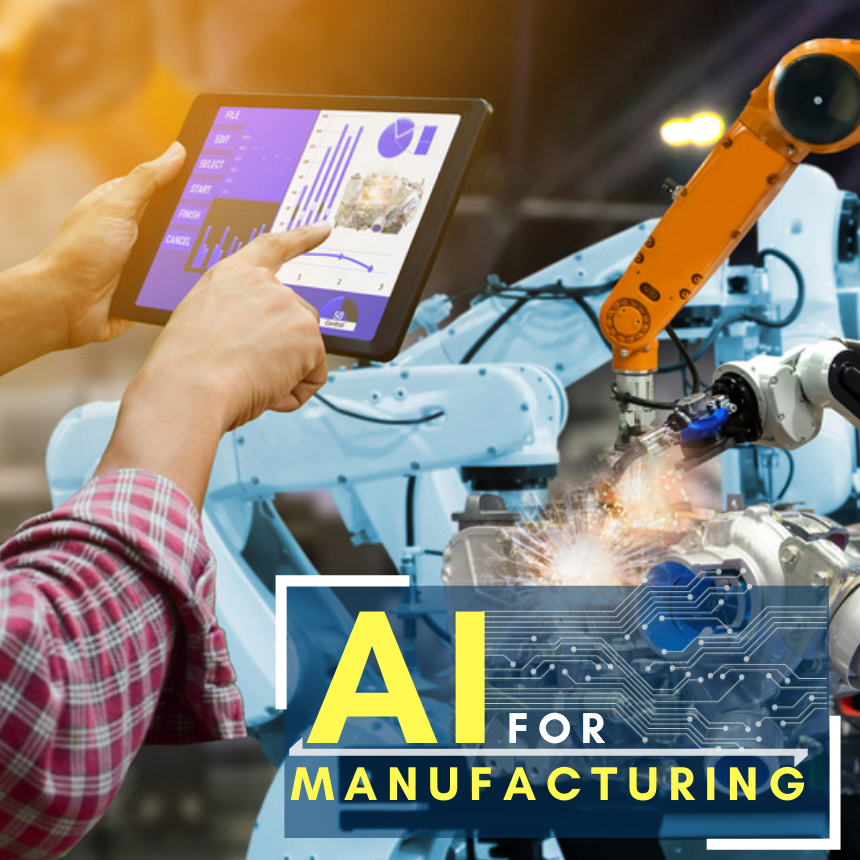
























 AI Deep Learning